


- Afhalen na 1 uur in een winkel met voorraad
- Gratis thuislevering in België vanaf € 30
- Ruim aanbod met 7 miljoen producten
- Afhalen na 1 uur in een winkel met voorraad
- Gratis thuislevering in België vanaf € 30
- Ruim aanbod met 7 miljoen producten





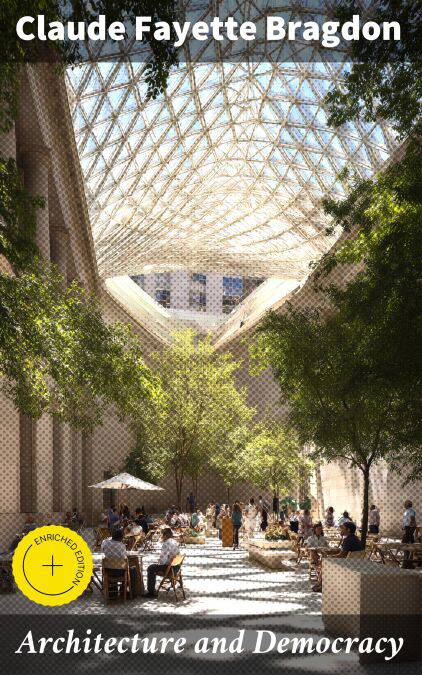
Architecture and Democracy E-BOOK
Enriched edition. Unveiling the Architectural Influence on Democratic Principles in the Progressive Era
Claude Fayette Bragdon
E-book | Engels
€ 1,99
+ 1 punten
Uitvoering
Eenvoudig bestellen
Veilig betalen


Onmiddellijk geleverd via e-mail
Omschrijving
In "Architecture and Democracy," Claude Fayette Bragdon presents a profound exploration of the inherent relationship between architectural form and democratic ideals. Through eloquent prose and vivid imagery, Bragdon articulates his vision of an architecture that transcends mere function, advocating for an aesthetic rooted in the principles of democracy. Drawing on both historical examples and contemporary practices, Bragdon delineates how spaces can foster community, inclusiveness, and social interaction, positioning architecture not only as a means of shelter but as a vehicle for democratic expression. His analysis weaves together philosophical, historical, and practical perspectives, situating architectural discourse within broader social and ethical contexts. Bragdon was an architect, writer, and a proponent of the Arts and Crafts movement, deeply influenced by the tumultuous societal changes of the early 20th century. He witnessed the effects of rapid industrialization and urbanization on the built environment and was driven by a desire to create harmonious spaces reflecting the collective spirit of democracy. This background informed his belief that architecture must serve as a physical embodiment of the democratic ideal, cultivating spaces that promote personal and communal engagement. "Architecture and Democracy" is essential reading for architects, urban planners, and anyone interested in the intersection of space, society, and political values. Bragdon's insights challenge us to reconsider how our environments shape social relationships and emphasize the potential of architecture to enrich democratic living. Embrace this compelling examination that invites reflection on the transformative role of built environments in fostering vibrant and inclusive communities.
In this enriched edition, we have carefully created added value for your reading experience:
- Hand‐picked Memorable Quotes shine a spotlight on moments of literary brilliance.
- Interactive footnotes clarify unusual references, historical allusions, and archaic phrases for an effortless, more informed read.
In this enriched edition, we have carefully created added value for your reading experience:
- Hand‐picked Memorable Quotes shine a spotlight on moments of literary brilliance.
- Interactive footnotes clarify unusual references, historical allusions, and archaic phrases for an effortless, more informed read.
Specificaties
Betrokkenen
- Auteur(s):
- Uitgeverij:
Inhoud
- Aantal bladzijden:
- 177
- Taal:
- Engels
Eigenschappen
- Productcode (EAN):
- 4057664142412
- Verschijningsdatum:
- 19/11/2019
- Uitvoering:
- E-book
- Beveiligd met:
- Digital watermarking
- Formaat:
- ePub


Alleen bij Standaard Boekhandel
+ 1 punten op je klantenkaart van Standaard Boekhandel
CADEAU

AANGERADEN


Beoordelingen
We publiceren alleen reviews die voldoen aan de voorwaarden voor reviews. Bekijk onze voorwaarden voor reviews.