


- Afhalen na 1 uur in een winkel met voorraad
- Gratis thuislevering in België vanaf € 30
- Ruim aanbod met 7 miljoen producten
- Afhalen na 1 uur in een winkel met voorraad
- Gratis thuislevering in België vanaf € 30
- Ruim aanbod met 7 miljoen producten




Omschrijving
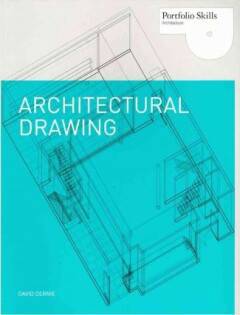
While computers have facilitated and enriched the ways in which architects can develop and present their ideas, there is also a growing lack of skills in other forms of image-making that was traditionally furnished through training in drawing and sketching. This book focuses on the exciting possibilities for representing the built environment with all the techniques - both ancient and modern - that are now available. Students today need to learn the following skills: how to draw using a range of media, the basic rules of making effective spatial images, how to read a drawing, and how to express ideas through appropriate media and forms of communication. Following a brief introduction, the book is divided into three sections: Media, Types and Places. Each section is illustrated with key drawings and accompanying commentaries. Step-by-step sequences and special tips will further help students to make the most of their newly acquired skills. This book will be an indispensable practical and inspirational resource in architectural schools and practices alike.
Specificaties
Betrokkenen
- Auteur(s):
- Uitgeverij:
Inhoud
- Aantal bladzijden:
- 208
- Taal:
- Engels
- Reeks:
Eigenschappen
- Productcode (EAN):
- 9781856696791
- Verschijningsdatum:
- 5/10/2010
- Uitvoering:
- Paperback
- Afmetingen:
- 220 mm x 280 mm
- Gewicht:
- 800 g


Alleen bij Standaard Boekhandel
+ 67 punten op je klantenkaart van Standaard Boekhandel
CADEAU


Beoordelingen
We publiceren alleen reviews die voldoen aan de voorwaarden voor reviews. Bekijk onze voorwaarden voor reviews.