


- Afhalen na 1 uur in een winkel met voorraad
- Gratis thuislevering in België vanaf € 30
- Ruim aanbod met 7 miljoen producten
- Afhalen na 1 uur in een winkel met voorraad
- Gratis thuislevering in België vanaf € 30
- Ruim aanbod met 7 miljoen producten





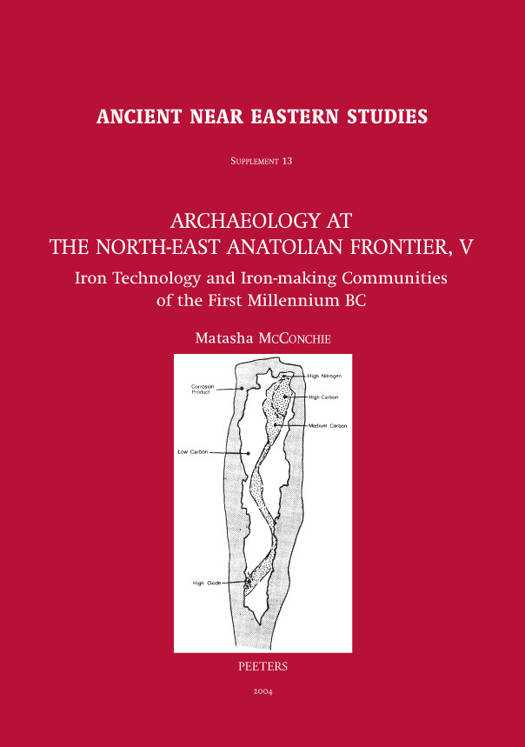
Archaeology at the North-East Anatolian Frontier, V
M. McConchie
€ 90,00
+ 180 punten
Omschrijving
This study presents both the technological aspects of iron and iron-making in north-east Anatolia, as well as commenting on the socio-economic, political and symbolic aspects of metallurgy. In the first instance, a technical study of iron objects from two north-east Anatolian highland sites Buyuktepe Hoyuk (Bayburt) and Sos Hoyuk (Erzurum) is presented. These results are compared with the status and production of iron in the Early and Late Iron Age periods in eastern Anatolia generally. What emerges is a significant exposition of the use of iron and changes in its use throughout the first millennium BC, and strong indications that some iron-making traditions in this region were idiosyncratic when compared to the rest of the Near East. In line with more recent discussions, this study also interprets the results in terms of human behaviour. Given the seasonality of human activity in the highlands and the likelihood of comparatively small-scale production units, it was appropriate to consider that iron and industrialisation were not always interdependent in antiquity. Using ethnographic considerations, survey and textual evidence of settlement patterns, the basis of post-Urartian iron manufacture is inferred to be small-scale not surpassing the immediate needs of the community to generate inter-local trade or exchange. Nonetheless, considerable community organisation and effort are reflected in the material characteristics of the iron objects examined. In particular, those objects that demanded a high standard of skill and perseverance, even by modern standards, are strong indicators of an extensive and established crafting tradition.
Specificaties
Betrokkenen
- Auteur(s):
- Uitgeverij:
Inhoud
- Aantal bladzijden:
- 393
- Taal:
- Nederlands
- Reeks:
- Reeksnummer:
- nr. 13
Eigenschappen
- Productcode (EAN):
- 9789042913899
- Verschijningsdatum:
- 9/11/2004
- Uitvoering:
- Hardcover
- Formaat:
- Genaaid
- Afmetingen:
- 214 mm x 306 mm
- Gewicht:
- 1882 g


Alleen bij Standaard Boekhandel
+ 180 punten op je klantenkaart van Standaard Boekhandel
Cadeau

AANGERADEN


Beoordelingen
We publiceren alleen reviews die voldoen aan de voorwaarden voor reviews. Bekijk onze voorwaarden voor reviews.