


- Afhalen na 1 uur in een winkel met voorraad
- Gratis thuislevering in België vanaf € 30
- Ruim aanbod met 7 miljoen producten
- Afhalen na 1 uur in een winkel met voorraad
- Gratis thuislevering in België vanaf € 30
- Ruim aanbod met 7 miljoen producten





€ 41,95
+ 83 punten
Omschrijving
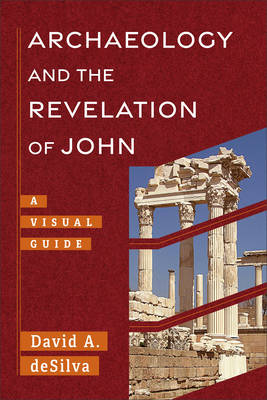
A fundamental principle of biblical interpretation is the importance of context--historical, literary, and canonical. But an often-neglected source of context for understanding Scripture is the field of archaeology. The physical and cultural world we inhabit affects us deeply, and that was no less true for the original writers and readers of Scripture. Archaeology provides insights into important questions like, What did these believers see day to day? What messages did they receive from their environment? What social practices influenced them?
In the third of three planned volumes, New Testament scholar David deSilva uses archaeological findings to explore places that are crucial for interpreting the book of Revelation. This visually compelling and beautifully designed book contains over 250 full-color photographs of sites and artifacts. The author focuses on the fruits of archaeology pertaining to sites that are important for studying Revelation, including the seven cities addressed in Revelation 2-3 as well as Patmos and Rome itself. This book helps readers understand how the Christ-followers John addressed would have understood his unveiling of the spiritual significance of the landmarks around them and the challenges they faced living in the Roman Empire.
This volume will be an important supplemental textbook for courses on the Book of Revelation. It will also benefit anyone who wants to better understand the lived context of John's audiences and how the original audiences would have made sense of Revelation's challenge to them.
In the third of three planned volumes, New Testament scholar David deSilva uses archaeological findings to explore places that are crucial for interpreting the book of Revelation. This visually compelling and beautifully designed book contains over 250 full-color photographs of sites and artifacts. The author focuses on the fruits of archaeology pertaining to sites that are important for studying Revelation, including the seven cities addressed in Revelation 2-3 as well as Patmos and Rome itself. This book helps readers understand how the Christ-followers John addressed would have understood his unveiling of the spiritual significance of the landmarks around them and the challenges they faced living in the Roman Empire.
This volume will be an important supplemental textbook for courses on the Book of Revelation. It will also benefit anyone who wants to better understand the lived context of John's audiences and how the original audiences would have made sense of Revelation's challenge to them.
Specificaties
Betrokkenen
- Auteur(s):
- Uitgeverij:
Inhoud
- Aantal bladzijden:
- 248
- Taal:
- Engels
- Reeks:
Eigenschappen
- Productcode (EAN):
- 9781540969231
- Verschijningsdatum:
- 8/09/2026
- Uitvoering:
- Paperback
- Formaat:
- Trade paperback (VS)
- Afmetingen:
- 152 mm x 229 mm


Alleen bij Standaard Boekhandel
+ 83 punten op je klantenkaart van Standaard Boekhandel
Cadeau

AANGERADEN


Beoordelingen
We publiceren alleen reviews die voldoen aan de voorwaarden voor reviews. Bekijk onze voorwaarden voor reviews.