


- Afhalen na 1 uur in een winkel met voorraad
- Gratis thuislevering in België vanaf € 30
- Ruim aanbod met 7 miljoen producten
- Afhalen na 1 uur in een winkel met voorraad
- Gratis thuislevering in België vanaf € 30
- Ruim aanbod met 7 miljoen producten





€ 104,95
+ 209 punten
Omschrijving
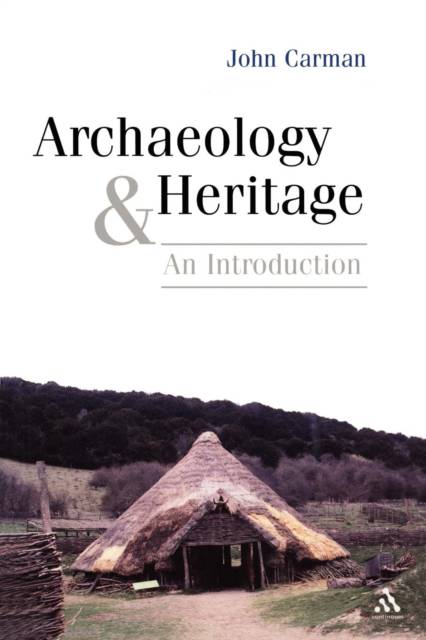
Unlike most textbooks on heritage which discuss the creation of heritage as a cultural phenomenon or offer practical guides to heritage practices, Archaeology and Heritage takes a fresh approach by providing an introduction to themes in the field of heritage as it relates to the material legacy of our past. A survey of current approaches to theorizing archaeological practice presents some ideas about how we understand and relate to the remains, sites, structures and buildings that have come to our present from the past.The book is divided into seven chapters, each preceded by a short interlude which considers the types of literature and ways of talking about heritage which characterize that approach. For those not already acquainted with recent archaeological theory, the book provides a brief introduction to current trends. Each chapter is in turn divided into key points indicated by sub-headings, and these key points are reiterated at the end of each chapter and are followed by a list of suggested readings.
Specificaties
Betrokkenen
- Auteur(s):
- Uitgeverij:
Inhoud
- Aantal bladzijden:
- 240
- Taal:
- Engels
Eigenschappen
- Productcode (EAN):
- 9780826458957
- Verschijningsdatum:
- 31/01/2003
- Uitvoering:
- Paperback
- Formaat:
- Trade paperback (VS)
- Afmetingen:
- 157 mm x 234 mm
- Gewicht:
- 371 g


Alleen bij Standaard Boekhandel
+ 209 punten op je klantenkaart van Standaard Boekhandel
CADEAU

AANGERADEN


Beoordelingen
We publiceren alleen reviews die voldoen aan de voorwaarden voor reviews. Bekijk onze voorwaarden voor reviews.