



- Afhalen na 1 uur in een winkel met voorraad
- In januari gratis thuislevering in België
- Ruim aanbod met 7 miljoen producten
- Afhalen na 1 uur in een winkel met voorraad
- In januari gratis thuislevering in België
- Ruim aanbod met 7 miljoen producten





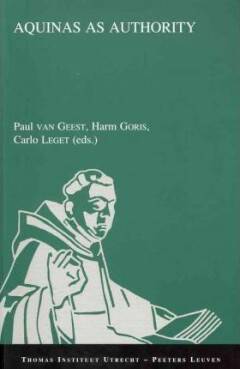
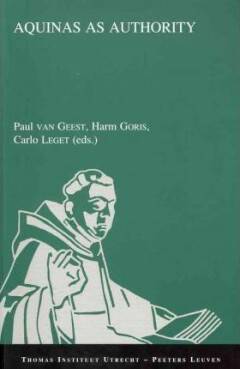
Aquinas as Authority
A Collection of Studies Presented at the Second Conference of the Thomas Instituut Te Utrecht, December 14-16, 2000
Leget C., P. Van Geest
€ 35,00
+ 70 punten
Omschrijving
There is no doubt that Thomas Aquinas, together with Augustine, is among the most influential authorities in the history of Western Christian theology. Through the centuries, theologians and philosophers have interpreted Aquinas and (re-)constructed his thought in various ways. As a result of this, a very rich variety of theological and philosophical positions have appeared that claim to be inspired by the thought of Thomas Aquinas. Positions like these are often labelled as a form of 'Thomism'. Although this can be helpful in bringing some order into the history of thought, there is also a deceptive side to it. Any classification runs the risk of obscuring the multiplicity of interests that have inspired the use of Aquinas as authority. On closer investigation many questions arise. What aims did Aquinas' recipients have in mind and how did an appeal to Aquinas function in their attempts to reach these aims? To what extent has their adoption of Aquinas' ideas and approaches been successful or unsuccessful in answering new questions, and in meeting the problems of their times? And, finally, what can we learn from these divergent forms of 'Thomism'? To these questions the Thomas Institute at Utrecht devoted its second conference, which was held from Thursday December 14 to Saturday December 16, 2000. This book collects a selection of the studies that were presented.
Specificaties
Betrokkenen
- Auteur(s):
- Uitgeverij:
Inhoud
- Aantal bladzijden:
- 339
- Taal:
- Engels
- Reeks:
- Reeksnummer:
- nr. 7
Eigenschappen
- Productcode (EAN):
- 9789042910744
- Verschijningsdatum:
- 1/01/2002
- Uitvoering:
- Paperback
- Formaat:
- Trade paperback (VS)
- Afmetingen:
- 155 mm x 236 mm
- Gewicht:
- 544 g


Alleen bij Standaard Boekhandel
+ 70 punten op je klantenkaart van Standaard Boekhandel
Cadeau

AANGERADEN


Beoordelingen
We publiceren alleen reviews die voldoen aan de voorwaarden voor reviews. Bekijk onze voorwaarden voor reviews.