


- Afhalen na 1 uur in een winkel met voorraad
- Gratis thuislevering in België vanaf € 30
- Ruim aanbod met 7 miljoen producten
- Afhalen na 1 uur in een winkel met voorraad
- Gratis thuislevering in België vanaf € 30
- Ruim aanbod met 7 miljoen producten





€ 54,21
+ 54 punten
Omschrijving
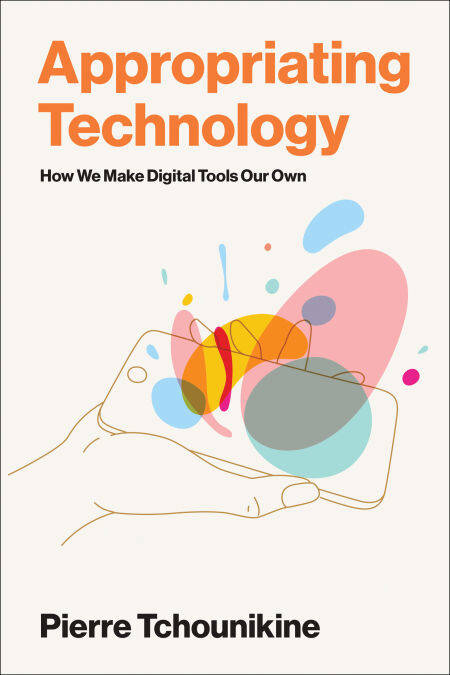
How we use digital technologies and make them our own.
Appropriation is the process by which we turn digital technologies into instruments for our own use. Since we do not use technologies but rather our appropriations of them, understanding why and how these appropriations develop is important and useful for both users and for designers. However, appropriation is an underexplored aspect of human-computer interaction. In Appropriating Technology, Pierre Tchounikine explains that appropriation is constitutive of how we actually use things in practice and is different in nature from the initial process of learning to use a technology.
He provides an analysis of the phenomena at play and explains how the way we develop (we evolve, we learn) is key, how our human high-level needs also play an important (though often unconscious) role, how the current adaptation means offered by most technologies give us some degree of freedom to align technologies to our needs and desires (although they are far from fully satisfactory), and how these design aspects may be improved.
Appropriation is the process by which we turn digital technologies into instruments for our own use. Since we do not use technologies but rather our appropriations of them, understanding why and how these appropriations develop is important and useful for both users and for designers. However, appropriation is an underexplored aspect of human-computer interaction. In Appropriating Technology, Pierre Tchounikine explains that appropriation is constitutive of how we actually use things in practice and is different in nature from the initial process of learning to use a technology.
He provides an analysis of the phenomena at play and explains how the way we develop (we evolve, we learn) is key, how our human high-level needs also play an important (though often unconscious) role, how the current adaptation means offered by most technologies give us some degree of freedom to align technologies to our needs and desires (although they are far from fully satisfactory), and how these design aspects may be improved.
Specificaties
Betrokkenen
- Auteur(s):
- Uitgeverij:
Inhoud
- Aantal bladzijden:
- 246
- Taal:
- Engels
- Reeks:
Eigenschappen
- Productcode (EAN):
- 9780262385572
- Verschijningsdatum:
- 27/10/2025
- Uitvoering:
- E-book
- Beveiligd met:
- Adobe DRM
- Formaat:
- ePub


Alleen bij Standaard Boekhandel
+ 54 punten op je klantenkaart van Standaard Boekhandel
Cadeau

AANGERADEN


Beoordelingen
We publiceren alleen reviews die voldoen aan de voorwaarden voor reviews. Bekijk onze voorwaarden voor reviews.