


- Afhalen na 1 uur in een winkel met voorraad
- Gratis thuislevering in België vanaf € 30
- Ruim aanbod met 7 miljoen producten
- Afhalen na 1 uur in een winkel met voorraad
- Gratis thuislevering in België vanaf € 30
- Ruim aanbod met 7 miljoen producten





Omschrijving
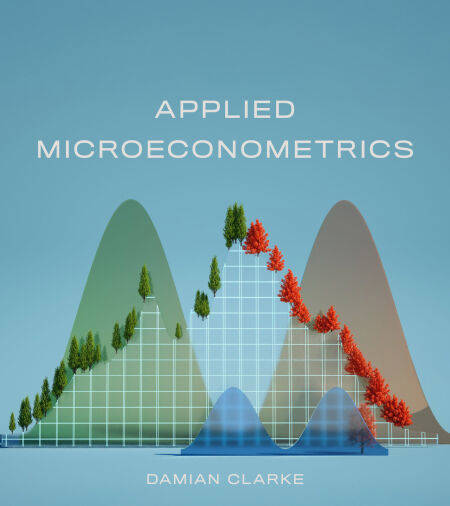
A rigorous, cutting-edge overview of the range of methods used to conduct causal inference in the social sciences.
This textbook provides a lucid, rigorous, and cutting-edge overview of the methods used to conduct causal inference in the social sciences, covering all the core techniques and latest advances. Offering a detailed survey of the current state of microeconometric theory, Damian Clarke delves deeply into machine learning applications and presents developments in difference-in-difference methods, instrumental variables, multiple hypothesis testing, and other advanced topics. With a diverse range of examples and exercises offering hands-on experience, Applied Microeconometrics equips graduate students and researchers to apply state-of-the art scholarship to actionable problems.
Integrates a rich array of machine learning methods into causal modeling frameworks Covers recent advances in difference-in-differences and dynamic research designs, formal discussions of challenges related to inference and hypothesis testing, and heterogeneity analysis Features a breadth of real-world examples from recent papers Includes coding implementation in Python, R, and Stata
This textbook provides a lucid, rigorous, and cutting-edge overview of the methods used to conduct causal inference in the social sciences, covering all the core techniques and latest advances. Offering a detailed survey of the current state of microeconometric theory, Damian Clarke delves deeply into machine learning applications and presents developments in difference-in-difference methods, instrumental variables, multiple hypothesis testing, and other advanced topics. With a diverse range of examples and exercises offering hands-on experience, Applied Microeconometrics equips graduate students and researchers to apply state-of-the art scholarship to actionable problems.
Integrates a rich array of machine learning methods into causal modeling frameworks Covers recent advances in difference-in-differences and dynamic research designs, formal discussions of challenges related to inference and hypothesis testing, and heterogeneity analysis Features a breadth of real-world examples from recent papers Includes coding implementation in Python, R, and Stata
Specificaties
Betrokkenen
- Auteur(s):
- Uitgeverij:
Inhoud
- Aantal bladzijden:
- 384
- Taal:
- Engels
Eigenschappen
- Productcode (EAN):
- 9780262053662
- Verschijningsdatum:
- 8/06/2026
- Uitvoering:
- E-book
- Beveiligd met:
- Adobe DRM
- Formaat:
- ePub


Alleen bij Standaard Boekhandel
+ 78 punten op je klantenkaart van Standaard Boekhandel
AANGERADEN


Beoordelingen
We publiceren alleen reviews die voldoen aan de voorwaarden voor reviews. Bekijk onze voorwaarden voor reviews.