


- Afhalen na 1 uur in een winkel met voorraad
- Gratis thuislevering in België vanaf € 30
- Ruim aanbod met 7 miljoen producten
- Afhalen na 1 uur in een winkel met voorraad
- Gratis thuislevering in België vanaf € 30
- Ruim aanbod met 7 miljoen producten





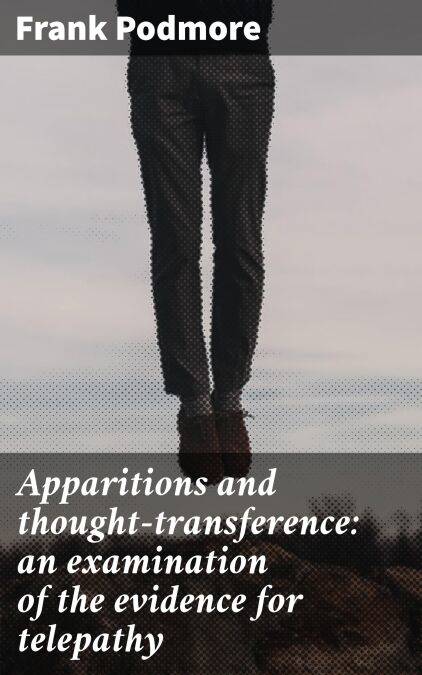
Apparitions and thought-transference: an examination of the evidence for telepathy E-BOOK
Unveiling the Mysteries of Psychic Phenomena and Mind Reading
Frank Podmore
E-book | Engels
€ 0,99
Eenvoudig bestellen
Veilig betalen


Onmiddellijk geleverd via e-mail
Omschrijving
In "Apparitions and Thought-Transference: An Examination of the Evidence for Telepathy," Frank Podmore delves into the realms of the supernatural and the unexplained, scrutinizing the intersections of apparitions and telepathic communication through a meticulously researched lens. Employing a methodical literary style, Podmore combines case studies and anecdotal evidence with a critical analysis typical of the late Victorian era's fascination with psychology and paranormal phenomena. This work not only contributes to the burgeoning discourse on psychical research during a time of scientific inquiry but also serves as an intriguing narrative on the complexities of human perception and cognition. Frank Podmore, a prominent figure in the late 19th-century psychical research movement, was deeply influenced by the era's spiritualism and the scientific curiosity surrounding mental phenomena. An early member of the Society for Psychical Research, Podmore's own experiences and considerable investigation into the unexplained phenomena significantly shaped his perspective. This background, complemented by his scholarly rigor, lends a rich authenticity to his exploration of subjects many deemed unapproachable at the time. This book is a seminal read for those intrigued by the frontiers of consciousness and the limits of the human mind. Podmore'Äôs insightful analysis not only broadens our understanding of psychical research but also invites the reader to ponder the intricacies of thought and experience, making it an indispensable addition to both psychological and paranormal literature.
Specificaties
Betrokkenen
- Auteur(s):
- Uitgeverij:
Inhoud
- Aantal bladzijden:
- 906
- Taal:
- Engels
Eigenschappen
- Productcode (EAN):
- 4064066182557
- Verschijningsdatum:
- 11/12/2019
- Uitvoering:
- E-book
- Beveiligd met:
- Digital watermarking
- Formaat:
- ePub


Alleen bij Standaard Boekhandel
CADEAU

AANGERADEN


Beoordelingen
We publiceren alleen reviews die voldoen aan de voorwaarden voor reviews. Bekijk onze voorwaarden voor reviews.