


- Afhalen na 1 uur in een winkel met voorraad
- Gratis thuislevering in België vanaf € 30
- Ruim aanbod met 7 miljoen producten
- Afhalen na 1 uur in een winkel met voorraad
- Gratis thuislevering in België vanaf € 30
- Ruim aanbod met 7 miljoen producten





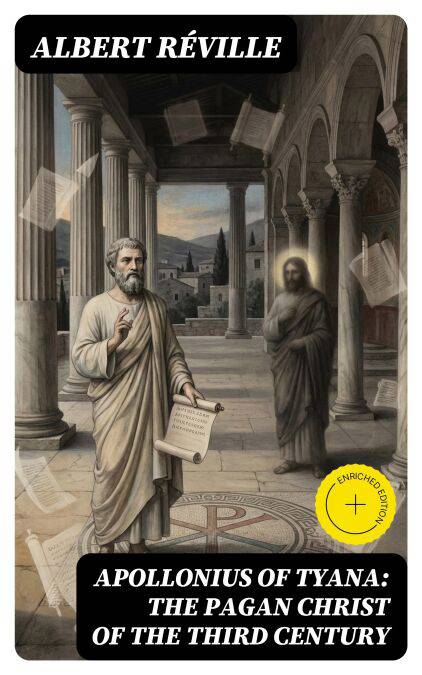
Apollonius of Tyana: The Pagan Christ of the Third Century E-BOOK
Enriched edition. A Comparative Study of Hellenistic Mysticism and Early Christianity
Albert Réville
E-book | Engels
€ 0,99
Uitvoering
Omschrijving
In "Apollonius of Tyana: The Pagan Christ of the Third Century," Albert Réville offers a compelling examination of the life and teachings of Apollonius, a philosophical figure often juxtaposed with Jesus Christ in the discourse of religious syncretism. Réville's scholarly approach melds historical analysis with literary criticism, employing extensive textual evidence from ancient sources and theological works. The author situates Apollonius within the broader context of 3rd-century thought, depicting him as a significant representative of Hellenistic philosophy, mysticism, and spirituality, while artfully exploring themes of divinity and morality that resonate across cultures and epochs. The book delves into the philosophical implications of Apollonius's life, as well as the implications for understanding early Christianity amidst pagan philosophy. Albert Réville was a prominent 19th-century scholar of religious studies whose work interrogated the intersections of faith, history, and philosophy. His profound commitment to understanding the complex tapestry of religious belief led to an inquiry into figures like Apollonius, highlighting the cultural dialogues present in the era. Réville's scholarly rigor and interdisciplinary approach reflect his desire to bridge the gap between pagan and Christian traditions, illuminating the influences that shaped religious thought during a transformative period. This book is indispensable for anyone interested in the evolution of early religious ideas and the impact of philosophical thought on Christian development. Réville's meticulous research challenges readers to reconsider the historical narratives surrounding both Apollonius and Christ, making it a thought-provoking read for theologians, historians, and anyone seeking to uncover the rich, interwoven fabric of ancient belief systems.
In this enriched edition, we have carefully created added value for your reading experience:
- A succinct Introduction situates the work's timeless appeal and themes.
- The Synopsis outlines the central plot, highlighting key developments without spoiling critical twists.
- A detailed Historical Context immerses you in the era's events and influences that shaped the writing.
- A thorough Analysis dissects symbols, motifs, and character arcs to unearth underlying meanings.
- Reflection questions prompt you to engage personally with the work's messages, connecting them to modern life.
- Hand‐picked Memorable Quotes shine a spotlight on moments of literary brilliance.
- Interactive footnotes clarify unusual references, historical allusions, and archaic phrases for an effortless, more informed read.
In this enriched edition, we have carefully created added value for your reading experience:
- A succinct Introduction situates the work's timeless appeal and themes.
- The Synopsis outlines the central plot, highlighting key developments without spoiling critical twists.
- A detailed Historical Context immerses you in the era's events and influences that shaped the writing.
- A thorough Analysis dissects symbols, motifs, and character arcs to unearth underlying meanings.
- Reflection questions prompt you to engage personally with the work's messages, connecting them to modern life.
- Hand‐picked Memorable Quotes shine a spotlight on moments of literary brilliance.
- Interactive footnotes clarify unusual references, historical allusions, and archaic phrases for an effortless, more informed read.
Specificaties
Betrokkenen
- Auteur(s):
- Uitgeverij:
Inhoud
- Aantal bladzijden:
- 48
- Taal:
- Engels
Eigenschappen
- Productcode (EAN):
- 8596547086284
- Verschijningsdatum:
- 19/07/2022
- Uitvoering:
- E-book
- Beveiligd met:
- Digital watermarking
- Formaat:
- ePub



Alleen bij Standaard Boekhandel
Cadeau

AANGERADEN


Beoordelingen
We publiceren alleen reviews die voldoen aan de voorwaarden voor reviews. Bekijk onze voorwaarden voor reviews.