



Je cadeautjes zeker op tijd in huis hebben voor de feestdagen? Kom langs in onze winkels en vind het perfecte geschenk!
- Afhalen na 1 uur in een winkel met voorraad
- Gratis thuislevering in België vanaf € 30
- Ruim aanbod met 7 miljoen producten
Je cadeautjes zeker op tijd in huis hebben voor de feestdagen? Kom langs in onze winkels en vind het perfecte geschenk!
- Afhalen na 1 uur in een winkel met voorraad
- Gratis thuislevering in België vanaf € 30
- Ruim aanbod met 7 miljoen producten





Omschrijving
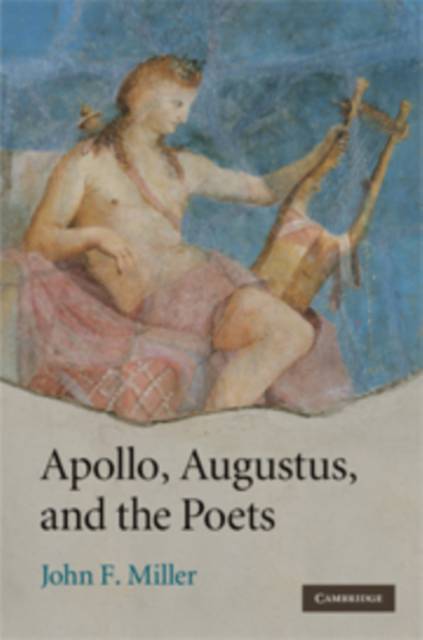
Apollo's importance in the religion of the Roman state was markedly heightened by the emperor Augustus, who claimed a special affiliation with the god. Contemporary poets variously responded to this appropriation of Phoebus Apollo, both participating in the construction of an imperial symbolism and resisting that ideological project. This book offers a synoptic study of 'Augustan' Apollo in Augustan poetry. Topics explored include the divine self-imaging of late Republican rivals for power, poetic imaginings of Apollo's intervention at the pivotal battle of Actium, how poets 'read' Augustus' new Palatine Temple of Apollo and the deity's role in the reconstituted Saecular Games, and Apollo's key position in the emerging dialectic between poetics - as traditional divine patron of music and literature - and politics - as patron of Augustus. Discussions encompass the major Latin poets (Horace, Virgil, Tibullus, Propertius, Ovid) as well as anonymous voices in poetic lampoons, encomia, and contemporary Greek verse.
Specificaties
Betrokkenen
- Auteur(s):
- Uitgeverij:
Inhoud
- Aantal bladzijden:
- 422
- Taal:
- Engels
Eigenschappen
- Productcode (EAN):
- 9780521516839
- Verschijningsdatum:
- 1/10/2009
- Uitvoering:
- Hardcover
- Formaat:
- Ongenaaid / garenloos gebonden
- Afmetingen:
- 157 mm x 231 mm
- Gewicht:
- 839 g


Alleen bij Standaard Boekhandel
+ 412 punten op je klantenkaart van Standaard Boekhandel
CADEAU


Beoordelingen
We publiceren alleen reviews die voldoen aan de voorwaarden voor reviews. Bekijk onze voorwaarden voor reviews.