


- Afhalen na 1 uur in een winkel met voorraad
- Gratis thuislevering in België vanaf € 30
- Ruim aanbod met 7 miljoen producten
- Afhalen na 1 uur in een winkel met voorraad
- Gratis thuislevering in België vanaf € 30
- Ruim aanbod met 7 miljoen producten






Apocalyptic Imaginings
€ 19,95
+ 39 punten
Omschrijving
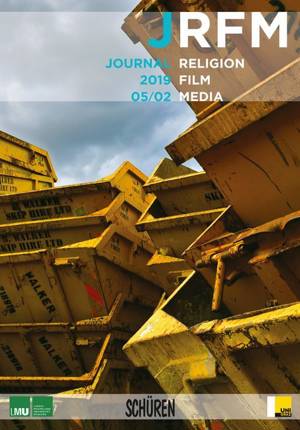
The articles in the thematic section of this issue of the JRFM address a number of issues that can help us better understand not only the films, TV series, or texts the authors are looking at, but also broader socio-political and psychological issues linked to an apocalyptic mood we can trace throughout a number of societies today. John Lynch's article on Mr Robot (TV series, US 2015-2019) discusses questions of authority, reality, and belief. Stephanie Bender in her article
on Margaret Atwood's MaddAddam Trilogy (2003, 2009, 2013) is interested in how apocalyptic imagery can help social actors think about and imagine brighter futures.
We can use Jennifer Woodward's discussion of J.J. Connington's 1923 apocalyptic novel, Nordenholt's Million as a starting point to explore and better understand socio-political narratives of salvation. Javier Campos Calvo-Sotelo looks at the idea of critical dystopia in music and the importance of art. It will be fascinating to see how critical dystopia in art, or more specifically music in the case of Campos Calvo-Sotelos' article, will continue to react to and transform with current forms of activism, such as the FridaysForFuture or the protests in Hong Kong at the time of writing of this editorial. Bina Nir concludes the thematic section with a reflection on the perception of time and Western ideas of wether and to what extent the future can be influenced. Again, this is quite a timely reflection in the context of Brexit where the promise of Brexiteers is "to take back control".
on Margaret Atwood's MaddAddam Trilogy (2003, 2009, 2013) is interested in how apocalyptic imagery can help social actors think about and imagine brighter futures.
We can use Jennifer Woodward's discussion of J.J. Connington's 1923 apocalyptic novel, Nordenholt's Million as a starting point to explore and better understand socio-political narratives of salvation. Javier Campos Calvo-Sotelo looks at the idea of critical dystopia in music and the importance of art. It will be fascinating to see how critical dystopia in art, or more specifically music in the case of Campos Calvo-Sotelos' article, will continue to react to and transform with current forms of activism, such as the FridaysForFuture or the protests in Hong Kong at the time of writing of this editorial. Bina Nir concludes the thematic section with a reflection on the perception of time and Western ideas of wether and to what extent the future can be influenced. Again, this is quite a timely reflection in the context of Brexit where the promise of Brexiteers is "to take back control".
Specificaties
Betrokkenen
- Uitgeverij:
Inhoud
- Taal:
- Engels
- Reeks:
Eigenschappen
- Productcode (EAN):
- 9783741000904
- Uitvoering:
- Boek
- Afmetingen:
- 149 mm x 212 mm
- Gewicht:
- 285 g

Alleen bij Standaard Boekhandel
+ 39 punten op je klantenkaart van Standaard Boekhandel
Cadeau

AANGERADEN


Beoordelingen
We publiceren alleen reviews die voldoen aan de voorwaarden voor reviews. Bekijk onze voorwaarden voor reviews.