


- Afhalen na 1 uur in een winkel met voorraad
- Gratis thuislevering in België vanaf € 30
- Ruim aanbod met 7 miljoen producten
- Afhalen na 1 uur in een winkel met voorraad
- Gratis thuislevering in België vanaf € 30
- Ruim aanbod met 7 miljoen producten





€ 49,95
+ 99 punten
Eenvoudig bestellen
Veilig betalen


Gratis thuislevering vanaf € 30 (via bpost)
Gratis levering in je Standaard Boekhandel
Omschrijving
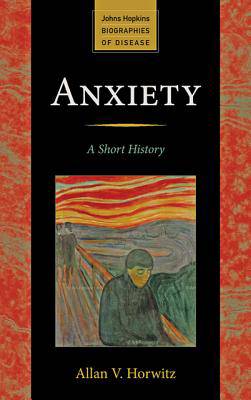
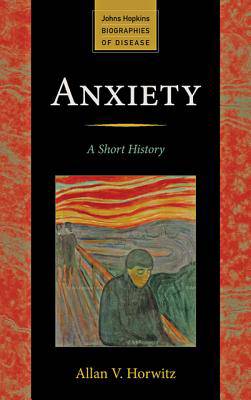
More people today report feeling anxious than ever before-even while living in relatively safe and prosperous modern societies. Almost one in five people experiences an anxiety disorder each year, and more than a quarter of the population admits to an anxiety condition at some point in their lives. Here Allan V. Horwitz, a sociologist of mental illness and mental health, narrates how this condition has been experienced, understood, and treated through the ages-from Hippocrates, through Freud, to today. Anxiety is rooted in an ancient part of the brain, and our ability to be anxious is inherited from species far more ancient than humans. Anxiety is often adaptive: it enables us to respond to threats. But when normal fear yields to what psychiatry categorizes as anxiety disorders, it becomes maladaptive. As Horwitz explores the history and multiple identities of anxiety-melancholia, nerves, neuroses, phobias, and so on-it becomes clear that every age has had its own anxieties and that culture plays a role in shaping how anxiety is expressed.
Specificaties
Betrokkenen
- Auteur(s):
- Uitgeverij:
Inhoud
- Aantal bladzijden:
- 208
- Taal:
- Engels
- Reeks:
Eigenschappen
- Productcode (EAN):
- 9781421410807
- Verschijningsdatum:
- 23/08/2013
- Uitvoering:
- Paperback
- Formaat:
- Trade paperback (VS)
- Afmetingen:
- 142 mm x 215 mm
- Gewicht:
- 254 g


Alleen bij Standaard Boekhandel
+ 99 punten op je klantenkaart van Standaard Boekhandel
CADEAU

AANGERADEN


Beoordelingen
We publiceren alleen reviews die voldoen aan de voorwaarden voor reviews. Bekijk onze voorwaarden voor reviews.