


- Afhalen na 1 uur in een winkel met voorraad
- Gratis thuislevering in België vanaf € 30
- Ruim aanbod met 7 miljoen producten
- Afhalen na 1 uur in een winkel met voorraad
- Gratis thuislevering in België vanaf € 30
- Ruim aanbod met 7 miljoen producten





€ 15,65
+ 15 punten
Uitvoering
Omschrijving
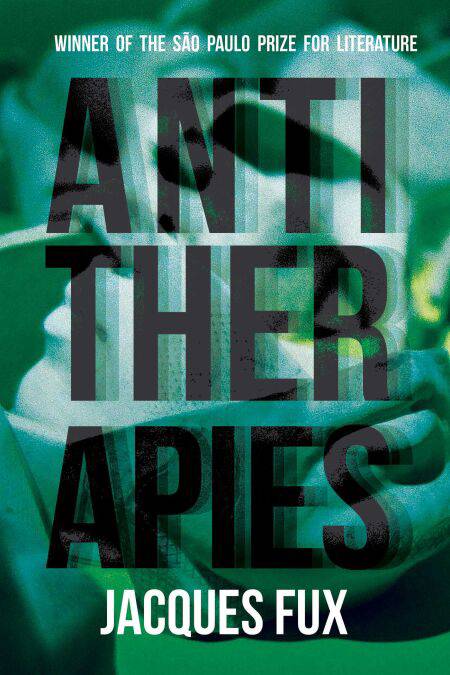
Golems and dybbuks and Nazis, oh my! Jacques Fux, Brazil’s answer to Philip Roth, offers a remarkably original and entertaining work of autofiction that is essential reading for those interested in the Jewish experience in Latin America.
Winner of Brazil’s prestigious São Paulo Prize, Jacques Fux’s brilliant literary debut novel unveils an outrageously entertaining Portrait of the Artist as a Young Schlemiel. Antitherapies relates the life journey of a young Jewish man coming of age in Belo Horizonte, Brazil, from his sensitive childhood and the primal indignation of circumcision, through awkward adolescence, and up to early adulthood and his decision to become a writer. Its peevish protagonist sees Jewishness in general as a festive carnival of irritations. The sources of his joy as well as his misery include his mother’s overbearing love; the Nazis, who never really left the stage after their defeat in 1945; his absurdly high IQ; and his grappling with the perpetual tension between cultural assimilation and the preservation of his Jewish identity and heritage.
Told through twenty-one playful “anti-therapeutic” sessions, the narrator summons myriad remembrances of things past, chronicling how he carefully considered and then ultimately rejected an assortment of possible life paths: astrophysicist, delinquent, clairvoyant, forger, hairdresser, logician, charlatan, and mathematician, among others. Fux masterfully integrates poetry, humor, magical realism, and a host of literary allusions—including Borges, Pessoa, Joyce, Primo Levi, Georges Perec, and Phillip Roth—to create a delightfully rich and original work of autofiction.
Winner of Brazil’s prestigious São Paulo Prize, Jacques Fux’s brilliant literary debut novel unveils an outrageously entertaining Portrait of the Artist as a Young Schlemiel. Antitherapies relates the life journey of a young Jewish man coming of age in Belo Horizonte, Brazil, from his sensitive childhood and the primal indignation of circumcision, through awkward adolescence, and up to early adulthood and his decision to become a writer. Its peevish protagonist sees Jewishness in general as a festive carnival of irritations. The sources of his joy as well as his misery include his mother’s overbearing love; the Nazis, who never really left the stage after their defeat in 1945; his absurdly high IQ; and his grappling with the perpetual tension between cultural assimilation and the preservation of his Jewish identity and heritage.
Told through twenty-one playful “anti-therapeutic” sessions, the narrator summons myriad remembrances of things past, chronicling how he carefully considered and then ultimately rejected an assortment of possible life paths: astrophysicist, delinquent, clairvoyant, forger, hairdresser, logician, charlatan, and mathematician, among others. Fux masterfully integrates poetry, humor, magical realism, and a host of literary allusions—including Borges, Pessoa, Joyce, Primo Levi, Georges Perec, and Phillip Roth—to create a delightfully rich and original work of autofiction.
Specificaties
Betrokkenen
- Auteur(s):
- Uitgeverij:
Inhoud
- Aantal bladzijden:
- 160
- Taal:
- Engels
- Reeks:
Eigenschappen
- Productcode (EAN):
- 9780826370037
- Verschijningsdatum:
- 21/09/2026
- Uitvoering:
- E-book
- Beveiligd met:
- Adobe DRM
- Formaat:
- ePub



Alleen bij Standaard Boekhandel
+ 15 punten op je klantenkaart van Standaard Boekhandel
CADEAU

AANGERADEN


Beoordelingen
We publiceren alleen reviews die voldoen aan de voorwaarden voor reviews. Bekijk onze voorwaarden voor reviews.