



Je cadeautjes zeker op tijd in huis hebben voor de feestdagen? Kom langs in onze winkels en vind het perfecte geschenk!
- Afhalen na 1 uur in een winkel met voorraad
- Gratis thuislevering in België vanaf € 30
- Ruim aanbod met 7 miljoen producten
Je cadeautjes zeker op tijd in huis hebben voor de feestdagen? Kom langs in onze winkels en vind het perfecte geschenk!
- Afhalen na 1 uur in een winkel met voorraad
- Gratis thuislevering in België vanaf € 30
- Ruim aanbod met 7 miljoen producten





Omschrijving
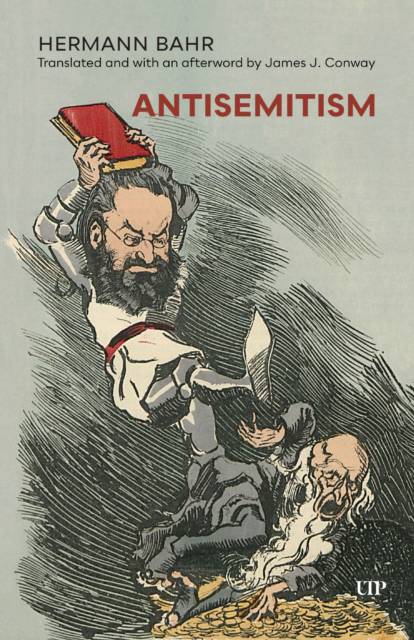
In March 1893, Austrian writer Hermann Bahr embarked on one of the most ambitious journalistic projects of the nineteenth century: a six-month series of interviews with public figures across Europe. This collection captures a wide range of opinions on antisemitism amid a surge of anti-Jewish sentiment in Germany and France during a time marked by militant nationalism and pseudoscientific "race studies."
Originally published in 1894 and now available in English for the first time, Antisemitism serves as both a vital historical study and a rich literary account of its era. Bahr's interviewees include German socialist leader August Bebel, France's first female journalist Séverine, and dramatist Henrik Ibsen. Considering issues like migration, assimilation, and exceptionalism, the respondents present a spectrum of views, from impassioned pluralism to overt bigotry, with some suggesting that ignoring antisemitism might make it disappear. Antisemitism reveals the ideological, political, and social factors that contributed to the Holocaust, while uncovering the enduring mechanisms of hatred and division that continue to target minorities. Featuring extensive notes, an informative afterword, and biographies of the interviewees, this volume explores the rise of modern antisemitism and provides valuable insights into conspiracy theories that persist to this day.
Originally published in 1894 and now available in English for the first time, Antisemitism serves as both a vital historical study and a rich literary account of its era. Bahr's interviewees include German socialist leader August Bebel, France's first female journalist Séverine, and dramatist Henrik Ibsen. Considering issues like migration, assimilation, and exceptionalism, the respondents present a spectrum of views, from impassioned pluralism to overt bigotry, with some suggesting that ignoring antisemitism might make it disappear. Antisemitism reveals the ideological, political, and social factors that contributed to the Holocaust, while uncovering the enduring mechanisms of hatred and division that continue to target minorities. Featuring extensive notes, an informative afterword, and biographies of the interviewees, this volume explores the rise of modern antisemitism and provides valuable insights into conspiracy theories that persist to this day.
Specificaties
Betrokkenen
- Auteur(s):
- Vertaler(s):
- Uitgeverij:
Inhoud
- Aantal bladzijden:
- 264
- Taal:
- Engels
Eigenschappen
- Productcode (EAN):
- 9781487558390
- Verschijningsdatum:
- 29/07/2025
- Uitvoering:
- Paperback
- Formaat:
- Trade paperback (VS)
- Afmetingen:
- 140 mm x 213 mm
- Gewicht:
- 294 g



Alleen bij Standaard Boekhandel
+ 100 punten op je klantenkaart van Standaard Boekhandel
CADEAU


Beoordelingen
We publiceren alleen reviews die voldoen aan de voorwaarden voor reviews. Bekijk onze voorwaarden voor reviews.