


- Afhalen na 1 uur in een winkel met voorraad
- Gratis thuislevering in België vanaf € 30
- Ruim aanbod met 7 miljoen producten
- Afhalen na 1 uur in een winkel met voorraad
- Gratis thuislevering in België vanaf € 30
- Ruim aanbod met 7 miljoen producten





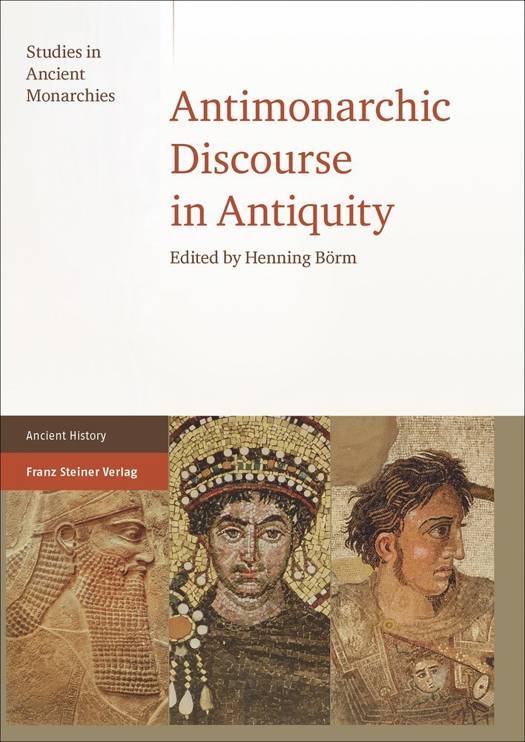
Antimonarchic Discourse in Antiquity
€ 156,45
+ 312 punten
Omschrijving
When analyzing the character of monarchic regimes and their strategies for creating obedience and acceptance, the focus usually lies on the ruler ideology and the self-representation of the individual monarch. However, the contributions to the present volume try to approach the matter from the angle of the - real or merely anticipated - criticism against the background of which monarchic legitimization was expressed: what conditions, what elements, and what strategies were characteristic of a critical discussion of monocracy in antiquity, and to what extent was the relationship between ruler ideology and antimonarchic sentiment marked by mutual dependence? What significance did the eternal background noise possess which as a contre-discourse compelled rulers in Egypt, Persia, Judea, Greece and Rome to justify themselves again and again?
Specificaties
Betrokkenen
- Uitgeverij:
Inhoud
- Aantal bladzijden:
- 352
- Taal:
- Engels
- Reeks:
- Reeksnummer:
- nr. 3
Eigenschappen
- Productcode (EAN):
- 9783515110952
- Verschijningsdatum:
- 1/02/2016
- Uitvoering:
- Hardcover
- Formaat:
- Genaaid
- Afmetingen:
- 170 mm x 239 mm
- Gewicht:
- 729 g

Alleen bij Standaard Boekhandel
+ 312 punten op je klantenkaart van Standaard Boekhandel
Wedstrijd


Beoordelingen
We publiceren alleen reviews die voldoen aan de voorwaarden voor reviews. Bekijk onze voorwaarden voor reviews.