


- Afhalen na 1 uur in een winkel met voorraad
- Gratis thuislevering in België vanaf € 30
- Ruim aanbod met 7 miljoen producten
- Afhalen na 1 uur in een winkel met voorraad
- Gratis thuislevering in België vanaf € 30
- Ruim aanbod met 7 miljoen producten





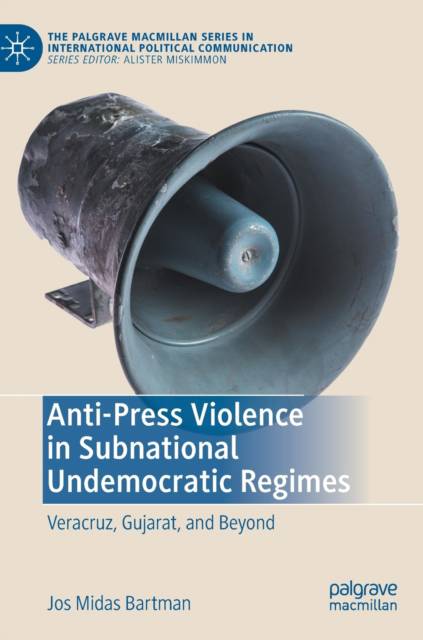
Anti-Press Violence in Subnational Undemocratic Regimes
Veracruz, Gujarat, and Beyond
Jos Midas Bartman
€ 151,95
+ 303 punten
Uitvoering
Omschrijving
The global trend of increasing violence against the press has spurred research interest into the questions of where, why, and how communicators are repressed. As a result, scholarship has demonstrating that hybrid regimes - which mix undemocratic and democratic elements - constitute a specifically dangerous and lethal context for these actors. Decentralized countries, in which some subnational political elites have retained authoritarian features, have been identified as the most perilous context for communicators. However, despite the burgeoning interest in illiberal practices and repression on the subnational level, it is still relatively unexplored how and why subnational political elites repress communicators within their multi-level setting. The author argues that communicators in subnational undemocratic regimes who can spread the scope of compromising information beyond subnational boundaries can cause uncertainties for subnational undemocratic regimes. The book explores how the political elites of these regimes repress these communicators in response.
Specificaties
Betrokkenen
- Auteur(s):
- Uitgeverij:
Inhoud
- Aantal bladzijden:
- 217
- Taal:
- Engels
- Reeks:
Eigenschappen
- Productcode (EAN):
- 9783031230370
- Verschijningsdatum:
- 16/04/2023
- Uitvoering:
- Hardcover
- Formaat:
- Genaaid
- Afmetingen:
- 148 mm x 210 mm
- Gewicht:
- 426 g



Alleen bij Standaard Boekhandel
+ 303 punten op je klantenkaart van Standaard Boekhandel
CADEAU

AANGERADEN


Beoordelingen
We publiceren alleen reviews die voldoen aan de voorwaarden voor reviews. Bekijk onze voorwaarden voor reviews.