


- Afhalen na 1 uur in een winkel met voorraad
- Gratis thuislevering in België vanaf € 30
- Ruim aanbod met 7 miljoen producten
- Afhalen na 1 uur in een winkel met voorraad
- Gratis thuislevering in België vanaf € 30
- Ruim aanbod met 7 miljoen producten





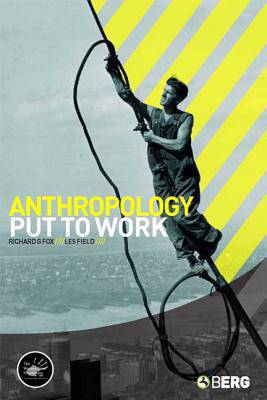
Anthropology Put to Work
€ 70,45
+ 140 punten
Omschrijving
How do anthropologists work today and how will they work in future? While some anthropologists have recently called for a new "public" or "engaged" anthropology, profound changes have already occurred, leading to new kinds of work for a large number of anthropologists. The image of anthropologists "reaching out" from protected academic positions to a vaguely defined "public" is out of touch with the working conditions of these anthropologists, especially those junior and untenured. The papers in this volume show that anthropology is put to work in diverse ways today. They indicate that the new conditions of anthropological work require significant departures from canonical principles of cultural anthropology, such as replacing ethnographic rapport with multiple forms of collaboration. This volume's goal is to help graduate students and early-career scholars accept these changes without feeling something essential to anthropology has been lost. There really is no other choice for most young anthropologists.
Specificaties
Betrokkenen
- Uitgeverij:
Inhoud
- Aantal bladzijden:
- 270
- Taal:
- Engels
- Reeks:
- Reeksnummer:
- nr. 3
Eigenschappen
- Productcode (EAN):
- 9781845206017
- Verschijningsdatum:
- 1/05/2007
- Uitvoering:
- Paperback
- Formaat:
- Trade paperback (VS)
- Afmetingen:
- 164 mm x 233 mm
- Gewicht:
- 421 g

Alleen bij Standaard Boekhandel
+ 140 punten op je klantenkaart van Standaard Boekhandel

Beoordelingen
We publiceren alleen reviews die voldoen aan de voorwaarden voor reviews. Bekijk onze voorwaarden voor reviews.