


- Afhalen na 1 uur in een winkel met voorraad
- Gratis thuislevering in België vanaf € 30
- Ruim aanbod met 7 miljoen producten
- Afhalen na 1 uur in een winkel met voorraad
- Gratis thuislevering in België vanaf € 30
- Ruim aanbod met 7 miljoen producten





€ 83,95
+ 167 punten
Uitvoering
Omschrijving
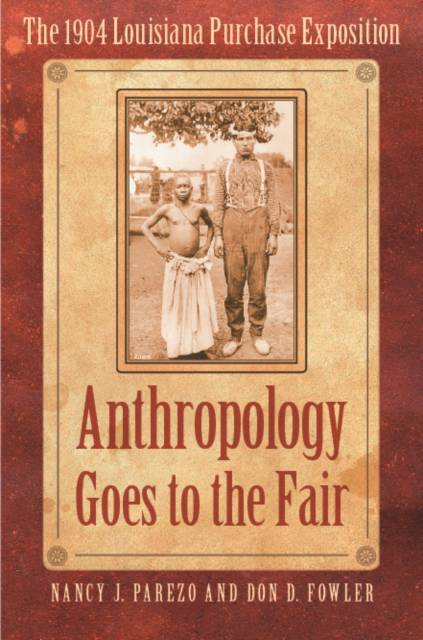
World's fairs and industrial expositions constituted a phenomenally successful popular culture movement during the nineteenth and twentieth centuries. In addition to the newest technological innovations, each exposition showcased commercial and cultural exhibits, entertainment concessions, national and corporate displays of wealth, and indigenous peoples from the colonial empires of the host country. As scientists claiming specialized knowledge about indigenous peoples, especially American Indians, anthropologists used expositions to promote their quest for professional status and authority. Anthropology Goes to the Fair takes readers through the 1904 Louisiana Purchase Exposition to see how anthropology, as conceptualized by W J McGee, the first president of the American Anthropological Association, showcased itself through programs, static displays, and living exhibits for millions of people "to show each half of the world how the other half lives." More than two thousand Native peoples negotiated and portrayed their own agendas on this world stage. The reader will see how anthropology itself was changed in the process.
Specificaties
Betrokkenen
- Auteur(s):
- Uitgeverij:
Inhoud
- Aantal bladzijden:
- 552
- Taal:
- Engels
- Reeks:
Eigenschappen
- Productcode (EAN):
- 9780803237599
- Verschijningsdatum:
- 1/09/2007
- Uitvoering:
- Hardcover
- Formaat:
- Genaaid
- Afmetingen:
- 162 mm x 233 mm
- Gewicht:
- 961 g


Alleen bij Standaard Boekhandel
+ 167 punten op je klantenkaart van Standaard Boekhandel
Cadeau

AANGERADEN


Beoordelingen
We publiceren alleen reviews die voldoen aan de voorwaarden voor reviews. Bekijk onze voorwaarden voor reviews.