


- Afhalen na 1 uur in een winkel met voorraad
- Gratis thuislevering in België vanaf € 30
- Ruim aanbod met 7 miljoen producten
- Afhalen na 1 uur in een winkel met voorraad
- Gratis thuislevering in België vanaf € 30
- Ruim aanbod met 7 miljoen producten




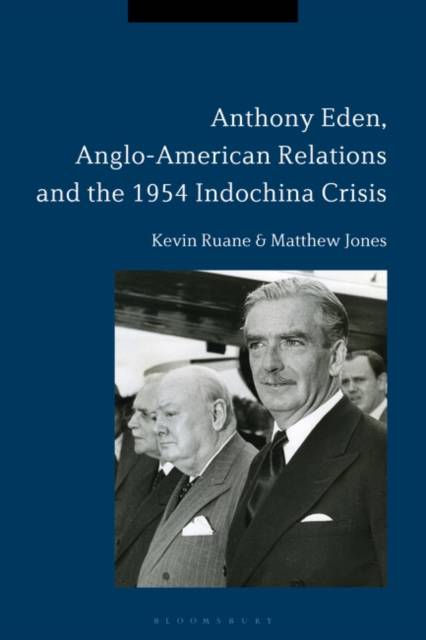
Anthony Eden, Anglo-American Relations and the 1954 Indochina Crisis
Kevin Ruane, Matthew Jones
Hardcover | Engels
€ 271,45
+ 542 punten
Omschrijving
In the spring of 1954, after eight years of bitter fighting, the war in Vietnam between the French and the communist-led Vietminh came to a head. With French forces reeling, the United States planned to intervene militarily to shore-up the anti-communist position. Turning to its allies for support, first and foremost Great Britain, the US administration of Dwight D. Eisenhower sought to create what Secretary of State John Foster Dulles called a "united action" coalition. In the event, Winston Churchill's Conservative government refused to back the plan. Fearing that US-led intervention could trigger a wider war in which the United Kingdom would be the first target for Soviet nuclear attack, the British Foreign Secretary, Anthony Eden, was determined to act as Indochina peacemaker - even at the cost of damage to the Anglo-American "special relationship".
In this important study, Kevin Ruane and Matthew Jones revisit a Cold War episode in which British diplomacy played a vital role in settling a crucial question of international war and peace. Eden's diplomatic triumph at the 1954 Geneva Conference on Indochina is often overshadowed by the 1956 Suez Crisis which led to his political downfall. This book, however, recalls an earlier Eden: a skilled and experienced international diplomatist at the height of his powers who may well have prevented a localised Cold War crisis escalating into a general Third World War.Specificaties
Betrokkenen
- Auteur(s):
- Uitgeverij:
Inhoud
- Aantal bladzijden:
- 352
- Taal:
- Engels
Eigenschappen
- Productcode (EAN):
- 9781350021174
- Verschijningsdatum:
- 25/07/2019
- Uitvoering:
- Hardcover
- Formaat:
- Genaaid
- Afmetingen:
- 157 mm x 236 mm
- Gewicht:
- 703 g



Alleen bij Standaard Boekhandel
+ 542 punten op je klantenkaart van Standaard Boekhandel
AANGERADEN


Beoordelingen
We publiceren alleen reviews die voldoen aan de voorwaarden voor reviews. Bekijk onze voorwaarden voor reviews.