


- Afhalen na 1 uur in een winkel met voorraad
- Gratis thuislevering in België vanaf € 30
- Ruim aanbod met 7 miljoen producten
- Afhalen na 1 uur in een winkel met voorraad
- Gratis thuislevering in België vanaf € 30
- Ruim aanbod met 7 miljoen producten





€ 89,95
+ 179 punten
Omschrijving
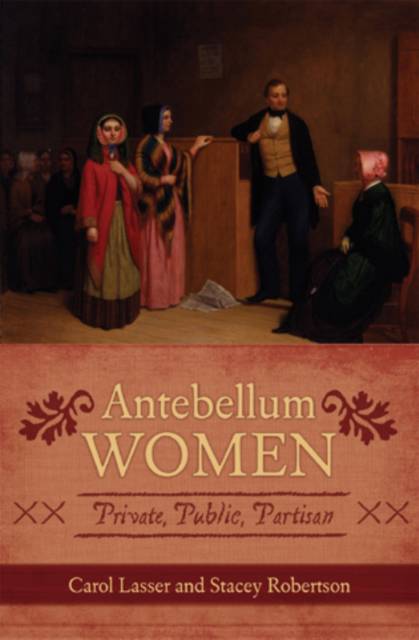
How did diverse women in America understand, explain, and act upon their varied constraints, positions, responsibilities, and worldviews in changing American society between the end of the Revolution and the beginning of the Civil War? Antebellum Women: Private, Public, Partisan answers the question by going beyond previous works in the field. The authors identify three phases in the changing relationship of women to civic and political activities. They first situate women as "deferential domestics" in a world of conservative gender expectations; then map out the development of an ideology that allowed women to leverage their familial responsibilities into participation as "companionate co-workers" in movements of religion, reform, and social welfare; and finally trace the path of those who followed their causes into the world of politics as "passionate partisans." The book includes a selection of primary documents that encompasses both well-known works and previously unpublished texts from a variety of genres, making Antebellum Women a unique one-volume work that will introduce readers to the documentary record as well as to the vibrant body of historical work on gender in the early nineteenth century.
Specificaties
Betrokkenen
- Auteur(s):
- Uitgeverij:
Inhoud
- Aantal bladzijden:
- 238
- Taal:
- Engels
- Reeks:
Eigenschappen
- Productcode (EAN):
- 9780742551978
- Verschijningsdatum:
- 29/03/2013
- Uitvoering:
- Paperback
- Formaat:
- Trade paperback (VS)
- Afmetingen:
- 142 mm x 221 mm
- Gewicht:
- 362 g



Alleen bij Standaard Boekhandel
+ 179 punten op je klantenkaart van Standaard Boekhandel
Cadeau

AANGERADEN


Beoordelingen
We publiceren alleen reviews die voldoen aan de voorwaarden voor reviews. Bekijk onze voorwaarden voor reviews.