



Je cadeautjes zeker op tijd in huis hebben voor de feestdagen? Kom langs in onze winkels en vind het perfecte geschenk!
- Afhalen na 1 uur in een winkel met voorraad
- Gratis thuislevering in België vanaf € 30
- Ruim aanbod met 7 miljoen producten
Je cadeautjes zeker op tijd in huis hebben voor de feestdagen? Kom langs in onze winkels en vind het perfecte geschenk!
- Afhalen na 1 uur in een winkel met voorraad
- Gratis thuislevering in België vanaf € 30
- Ruim aanbod met 7 miljoen producten





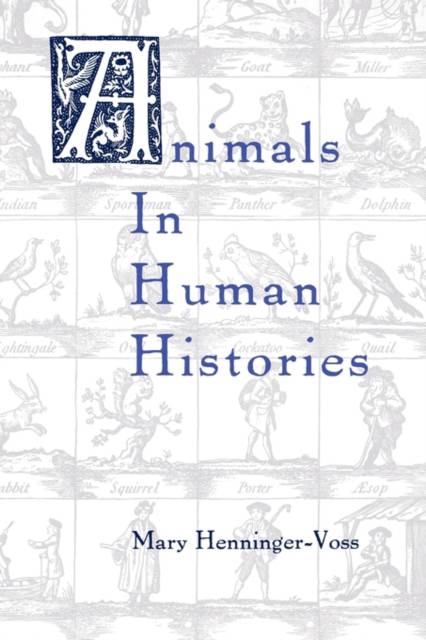
Animals in Human Histories
The Mirror of Nature and Culture
€ 257,95
+ 515 punten
Omschrijving
This volume delves into the realm between representative images and real animals. It is a historical inquiry into human interaction with the animals we eat, pamper, experiment on, and imagine, as they have been variously domesticated, slaughtered, loved, studied, and made into icons of human invention. Common assumptions and experiences with animals have entered into the functioning and conceptualizing of life, yet these are historically and culturally contingent. The essays in this volume unveil the ways in which human-animal relationships reveal the interhuman structures of the cultures in which they are formed. By using animals as a lens, they refocus our awareness of the ways in which humans have allotted resources, gathered knowledge, and structured families. The treatment of animals is often a guide to the treatment of people within a society, while the perceived 'stewardship' of humans over animals has helped shape the broader environment that both human and nonhuman animals share. The authors tackle their subject from a variety of levels -- popular, scientific, and economic. The essays explore the vast borderland between human ideas and physical nature regarding animal representation. Contributors include Richard W. Burkhardt, Jr., Jonathan Burt, Ken C. Erickson, Katherine C. Grier, Richard C. Hoffmann, Andrew C. Isenberg, Jacqueline Milliet, John Solomon Otto, Karen A. Rader, Harriet Ritvo, Nigel Rothfels, Kenneth J. Shapiro, and Edward I. Steinhart. Mary Henninger-Voss is an associate of the Shelby Cullom Davis Center for Historical Studies, Princeton University.
Specificaties
Betrokkenen
- Uitgeverij:
Inhoud
- Aantal bladzijden:
- 512
- Taal:
- Engels
- Reeks:
- Reeksnummer:
- nr. 1
Eigenschappen
- Productcode (EAN):
- 9781580461214
- Verschijningsdatum:
- 10/12/2002
- Uitvoering:
- Hardcover
- Formaat:
- Genaaid
- Afmetingen:
- 173 mm x 224 mm
- Gewicht:
- 884 g

Alleen bij Standaard Boekhandel
+ 515 punten op je klantenkaart van Standaard Boekhandel
CADEAU


Beoordelingen
We publiceren alleen reviews die voldoen aan de voorwaarden voor reviews. Bekijk onze voorwaarden voor reviews.