


- Afhalen na 1 uur in een winkel met voorraad
- Gratis thuislevering in België vanaf € 30
- Ruim aanbod met 7 miljoen producten
- Afhalen na 1 uur in een winkel met voorraad
- Gratis thuislevering in België vanaf € 30
- Ruim aanbod met 7 miljoen producten




€ 14,58
+ 14 punten
Eenvoudig bestellen
Veilig betalen


Onmiddellijk geleverd via e-mail
Omschrijving
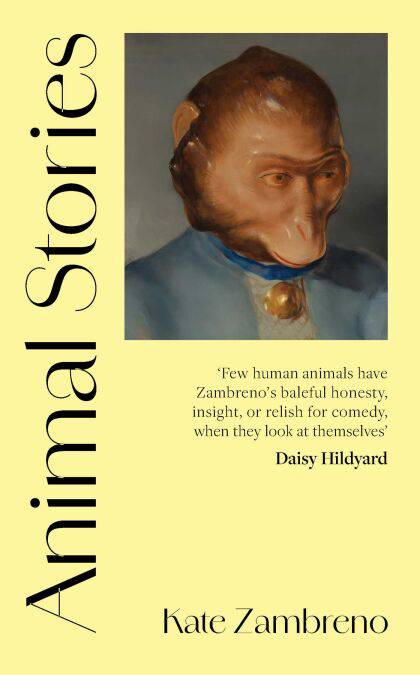
A curious exploration of mortality, alienation, boredom, surveillance and how we regard ourselves among the animals.
‘Few human animals have Zambreno’s baleful honesty, insight, or relish for comedy, when they look at themselves’ Daisy Hildyard, author of Hunters in the Snow and Emergency
Animal Stories begins with Kate Zambreno’s visit to the monkey house at the Jardin des Plantes in Paris, where one stark tree ‘seems to be the stage design for a simian production of Waiting for Godot’. But who are the players and who is the audience, and can they recognise each other?
What follows is a series of reports from the deep strangeness of the zoo, a space that is ‘more often than not deeply sad, an odd choice for regular pilgrimages of fun’. Amid these excursions with their young children, Zambreno turns to Garry Winogrand’s photographs and John Berger’s writings on animals, reshaping the spectator as the subject to decipher our complex ‘zoo feelings’ – what we project, and what we refuse to see. In ‘My Kafka System’, which dovetails with these zoo studies, Zambreno thinks through the notebooks and animal stories of a writer known for playing at the threshold between species, continuing their investigation into the false divide between human and animal.
In writing that is inquisitive and inventive, Zambreno renders visible the enclosures we construct and those we occupy ourselves.
‘Few human animals have Zambreno’s baleful honesty, insight, or relish for comedy, when they look at themselves’ Daisy Hildyard, author of Hunters in the Snow and Emergency
Animal Stories begins with Kate Zambreno’s visit to the monkey house at the Jardin des Plantes in Paris, where one stark tree ‘seems to be the stage design for a simian production of Waiting for Godot’. But who are the players and who is the audience, and can they recognise each other?
What follows is a series of reports from the deep strangeness of the zoo, a space that is ‘more often than not deeply sad, an odd choice for regular pilgrimages of fun’. Amid these excursions with their young children, Zambreno turns to Garry Winogrand’s photographs and John Berger’s writings on animals, reshaping the spectator as the subject to decipher our complex ‘zoo feelings’ – what we project, and what we refuse to see. In ‘My Kafka System’, which dovetails with these zoo studies, Zambreno thinks through the notebooks and animal stories of a writer known for playing at the threshold between species, continuing their investigation into the false divide between human and animal.
In writing that is inquisitive and inventive, Zambreno renders visible the enclosures we construct and those we occupy ourselves.
Specificaties
Betrokkenen
- Auteur(s):
- Uitgeverij:
Inhoud
- Aantal bladzijden:
- 240
- Taal:
- Engels
Eigenschappen
- Productcode (EAN):
- 9781398556249
- Verschijningsdatum:
- 8/04/2026
- Uitvoering:
- E-book
- Beveiligd met:
- Adobe DRM
- Formaat:
- ePub


Alleen bij Standaard Boekhandel
+ 14 punten op je klantenkaart van Standaard Boekhandel
CADEAU

AANGERADEN


Beoordelingen
We publiceren alleen reviews die voldoen aan de voorwaarden voor reviews. Bekijk onze voorwaarden voor reviews.