


- Afhalen na 1 uur in een winkel met voorraad
- Gratis thuislevering in België vanaf € 30
- Ruim aanbod met 7 miljoen producten
- Afhalen na 1 uur in een winkel met voorraad
- Gratis thuislevering in België vanaf € 30
- Ruim aanbod met 7 miljoen producten





€ 41,95
+ 83 punten
Uitvoering
Omschrijving
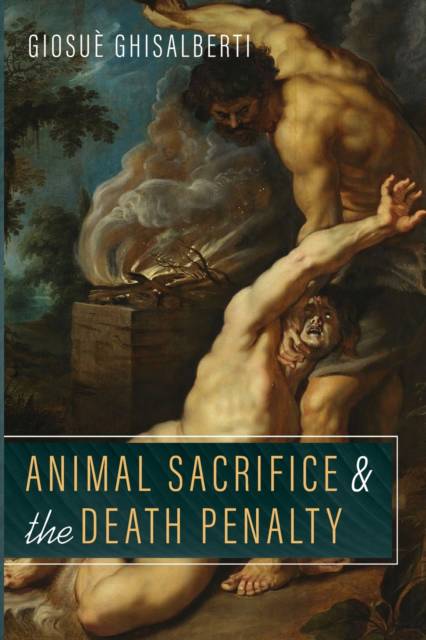
The slaughter of animals as a religious ritual and the execution of human beings as a judicial one was an interrelated phenomenon in the ancient world. Writings from different traditions had to be interpreted in relation to each other for the connection between two sacred rituals to be made. The history of the death penalty within the textual traditions of Judaism and ancient Greece could be traced to specific commandments beginning in Genesis and in laws specified as early as in Hesiod's Theogony--in each case, however, with far from unambiguous conclusions despite their divine origins in YHWH or Zeus. An ever-present uncertainty in the nature of the death penalty pervades the writings of the Bible from Genesis to the Gospels of Jesus, as well as in the mytho-poetic world of Hesiod, the tragedy of Aeschylus, and Socratic philosophy as represented in Plato's dialogues. Scholarship has not considered the importance of these two interrelated traditions insofar as both expose the specific characteristics of violence and killing within the institutions of religion and the law. The creation of religious rituals and the acts of the law are inseparable and essential to the authority of the politico-religious state. Animal sacrifice and the death penalty serve as the pillars of social legitimacy in the ancient world.
Specificaties
Betrokkenen
- Auteur(s):
- Uitgeverij:
Inhoud
- Aantal bladzijden:
- 224
- Taal:
- Engels
Eigenschappen
- Productcode (EAN):
- 9781666703870
- Verschijningsdatum:
- 3/12/2021
- Uitvoering:
- Paperback
- Formaat:
- Trade paperback (VS)
- Afmetingen:
- 152 mm x 229 mm
- Gewicht:
- 303 g



Alleen bij Standaard Boekhandel
+ 83 punten op je klantenkaart van Standaard Boekhandel
CADEAU

AANGERADEN


Beoordelingen
We publiceren alleen reviews die voldoen aan de voorwaarden voor reviews. Bekijk onze voorwaarden voor reviews.