



Bedankt voor het vertrouwen het afgelopen jaar! Om jou te bedanken bieden we GRATIS verzending (in België) aan op alles gedurende de hele maand januari.
- Afhalen na 1 uur in een winkel met voorraad
- In januari gratis thuislevering in België
- Ruim aanbod met 7 miljoen producten
Bedankt voor het vertrouwen het afgelopen jaar! Om jou te bedanken bieden we GRATIS verzending (in België) aan op alles gedurende de hele maand januari.
- Afhalen na 1 uur in een winkel met voorraad
- In januari gratis thuislevering in België
- Ruim aanbod met 7 miljoen producten





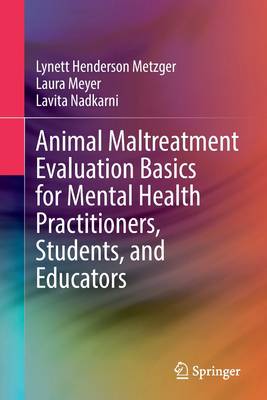
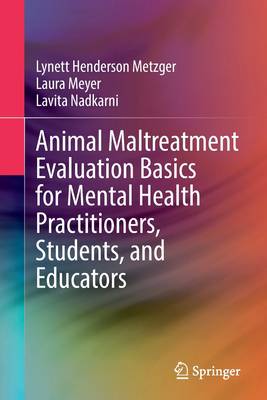
Animal Maltreatment Evaluation Basics for Mental Health Practitioners, Students, and Educators
Lynett Henderson Metzger, Laura Meyer, Lavita Nadkarni
Paperback | Engels
€ 83,95
+ 167 punten
Omschrijving
This book provides a brief introduction to the growing field of animal maltreatment evaluation and treatment, with a special emphasis on clinical training from a forensic psychology perspective. Geared toward mental health practitioners, students, and educators, this broad overview focuses on foundational legal concepts, applications in clinical and psycholegal settings, and emerging perspectives on effective evaluation and treatment. The authors provide practical guidance around "real world" scenarios through the use of clinical case vignettes, highlighting the complexities and need for culturally- and psychologically-informed care in these cases. Key topics include forensic animal maltreatment evaluations (or FAMEs); implications for best practices; challenges for providers, trainees, and supervisors; and future directions for the field.
Specificaties
Betrokkenen
- Auteur(s):
- Uitgeverij:
Inhoud
- Aantal bladzijden:
- 76
- Taal:
- Engels
Eigenschappen
- Productcode (EAN):
- 9783031049835
- Verschijningsdatum:
- 20/07/2022
- Uitvoering:
- Paperback
- Formaat:
- Trade paperback (VS)
- Afmetingen:
- 156 mm x 234 mm
- Gewicht:
- 145 g


Alleen bij Standaard Boekhandel
+ 167 punten op je klantenkaart van Standaard Boekhandel
SOLDEN


Beoordelingen
We publiceren alleen reviews die voldoen aan de voorwaarden voor reviews. Bekijk onze voorwaarden voor reviews.