


- Afhalen na 1 uur in een winkel met voorraad
- Gratis thuislevering in België vanaf € 30
- Ruim aanbod met 7 miljoen producten
- Afhalen na 1 uur in een winkel met voorraad
- Gratis thuislevering in België vanaf € 30
- Ruim aanbod met 7 miljoen producten





€ 209,45
+ 418 punten
Omschrijving
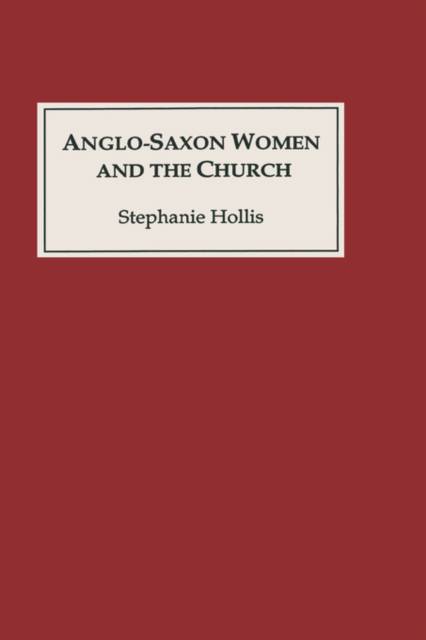
This study of literature by clerics who were writing to, for, or aboutAnglo-Saxon women in the 8th and early 9th centuries suggests thatthe position of women had already declined sharply before the Conquest a claim at variance with the traditional scholarly view. Stephanie Hollis argues that Pope Gregory's letter to Augustine and Theodore's 'Penitential' implicitly convey the early church's view of women as subordinate to men, and maintains that much early church writing reflects conceptions of womanhood that had hardened into established commonplace by the later middle ages. To support her argument the author examines the indigenous position of women prior to the conversion of the Anglo-Saxons to Christianity, and considers reasons for the early church's concessions in respect of women. Emblematic of developments in the conversion period, the establishment and eventual suppression of abbess-ruled double monasteries forms a special focus of this study. STEPHANIE HOLLIS is Senior Lecturer in Early English, University of Auckland, New Zealand.
Specificaties
Betrokkenen
- Auteur(s):
- Uitgeverij:
Inhoud
- Aantal bladzijden:
- 336
- Taal:
- Engels
Eigenschappen
- Productcode (EAN):
- 9780851153179
- Verschijningsdatum:
- 5/11/1992
- Uitvoering:
- Hardcover
- Formaat:
- Genaaid
- Afmetingen:
- 164 mm x 239 mm
- Gewicht:
- 662 g


Alleen bij Standaard Boekhandel
+ 418 punten op je klantenkaart van Standaard Boekhandel
Cadeau

AANGERADEN


Beoordelingen
We publiceren alleen reviews die voldoen aan de voorwaarden voor reviews. Bekijk onze voorwaarden voor reviews.