


- Afhalen na 1 uur in een winkel met voorraad
- Gratis thuislevering in België vanaf € 30
- Ruim aanbod met 7 miljoen producten
- Afhalen na 1 uur in een winkel met voorraad
- Gratis thuislevering in België vanaf € 30
- Ruim aanbod met 7 miljoen producten





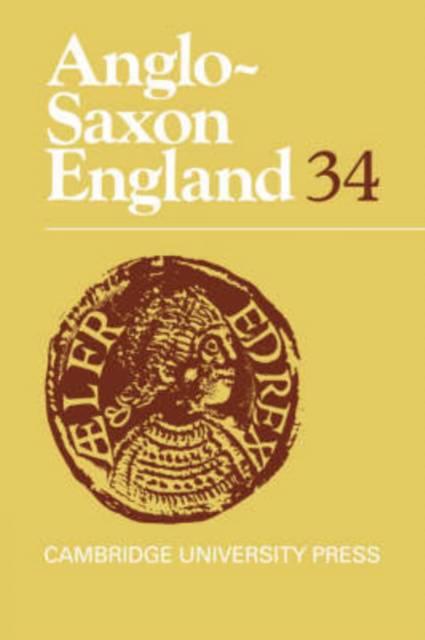
Anglo-Saxon England
€ 76,45
+ 152 punten
Omschrijving
Ideas about the whole sweep of Anglo-Saxon history and in particular the importance of combining skills from many disciplines are at the centre of this volume. Walter Goffart invites us to think again about what Bede meant by 'the true law of history', while Joanna Story argues that the early Frankish annals give us important insight into the raw material available to Bede. J. R. Madicott traces the rapid development of Mercian power in Bede's time, and a team of textual scholars and scientists report on their experiments to test the efficacy of Anglo-Saxon medical prescriptions. At the other end of the period, Gale R. Owen-Crocker shows how the birds in the margins of the Bayeux Tapestry are used to comment on the narrative of the Norman Conquest, while Rebecca Rushforth finds evidence for continued post-Conquest interest in the descendents of the royal house of Wessex. The usual comprehensive bibliography of the previous year's publications in all branches of Anglo-Saxon studies rounds off the book.
Specificaties
Betrokkenen
- Uitgeverij:
Inhoud
- Aantal bladzijden:
- 388
- Taal:
- Engels
- Reeks:
Eigenschappen
- Productcode (EAN):
- 9780521038607
- Verschijningsdatum:
- 11/10/2007
- Uitvoering:
- Paperback
- Formaat:
- Trade paperback (VS)
- Afmetingen:
- 152 mm x 229 mm
- Gewicht:
- 566 g

Alleen bij Standaard Boekhandel
+ 152 punten op je klantenkaart van Standaard Boekhandel
Cadeau

AANGERADEN


Beoordelingen
We publiceren alleen reviews die voldoen aan de voorwaarden voor reviews. Bekijk onze voorwaarden voor reviews.