


- Afhalen na 1 uur in een winkel met voorraad
- Gratis thuislevering in België vanaf € 30
- Ruim aanbod met 7 miljoen producten
- Afhalen na 1 uur in een winkel met voorraad
- Gratis thuislevering in België vanaf € 30
- Ruim aanbod met 7 miljoen producten





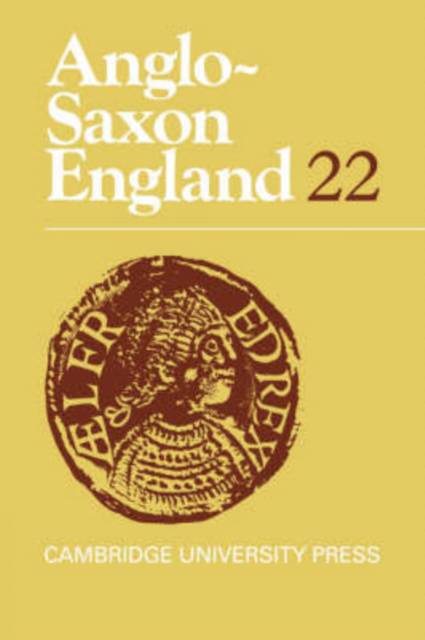
Anglo-Saxon England
€ 67,95
+ 135 punten
Omschrijving
That Alcuin addressed to the monks of Lindisfarne the question, 'What has Ingeld to do with Christ?', is a much repeated dogma in Old English studies; but in this book close examination of the letter in question shows that it was addressed not to Lindisfarne nor to a monastic community, but to a bishop in Mercia. That 'Ultán the scribe' was responsible for some of the most lavishly illuminated Anglo-Saxon manuscripts is shown to be another untenable dogma. Fresh perspectives from interdisciplinary study: the 'beasts-of-battle' typescenes which are characteristic of Old English poetry are studied in the wider context of other European literatures. The nasty Viking habit of murdering hostages by throwing bones at them (as happened to St Ælfeah) is illuminated by a wide-ranging study of analogues in Scandinavian literatures. Characteristic features of Aldhelm's enigmata are elucidated by the study of Byzantine riddles, thereby revealing a link between England and the Greek orient. The usual comprehensive bibliography of the previous year's publications rounds off the book.
Specificaties
Betrokkenen
- Uitgeverij:
Inhoud
- Aantal bladzijden:
- 344
- Taal:
- Engels
- Reeks:
Eigenschappen
- Productcode (EAN):
- 9780521038478
- Verschijningsdatum:
- 11/10/2007
- Uitvoering:
- Paperback
- Formaat:
- Trade paperback (VS)
- Afmetingen:
- 152 mm x 229 mm
- Gewicht:
- 503 g

Alleen bij Standaard Boekhandel
+ 135 punten op je klantenkaart van Standaard Boekhandel
Cadeau

AANGERADEN


Beoordelingen
We publiceren alleen reviews die voldoen aan de voorwaarden voor reviews. Bekijk onze voorwaarden voor reviews.