


- Afhalen na 1 uur in een winkel met voorraad
- Gratis thuislevering in België vanaf € 30
- Ruim aanbod met 7 miljoen producten
- Afhalen na 1 uur in een winkel met voorraad
- Gratis thuislevering in België vanaf € 30
- Ruim aanbod met 7 miljoen producten





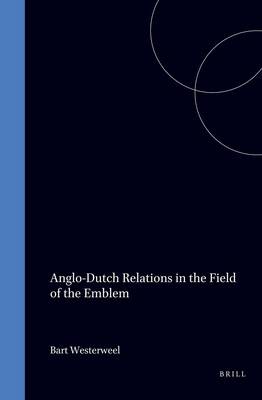
Anglo-Dutch Relations in the Field of the Emblem
€ 386,45
+ 772 punten
Omschrijving
This volume deals with the interrelation between English and Dutch culture as it emerged in the field of the emblem and the emblem book in the 16th and 17th centuries. The traffic of emblems was mostly from the Low Countries to England. The very first printed English emblem book, by Geffrey Whitney, was printed in Leiden in 1586. One of the last English emblem books to be published in the 17th century, by Philip Ayres (1683) goes straight back to the Dutch love emblem tradition (Heinsius, Vaenius, et al.).
The reasons for this mainly one-way traffic are manifold. For one thing the best engravers and printers were to be found in the Low Countries. For another the Church of England also accommodated adaptations of the highly popular continental Jesuit emblem books of the early 17th century.
The book consists of fourteen original articles, by a wide range of specialists in the field, each of whom addresses a different aspect of the general subject.
The reasons for this mainly one-way traffic are manifold. For one thing the best engravers and printers were to be found in the Low Countries. For another the Church of England also accommodated adaptations of the highly popular continental Jesuit emblem books of the early 17th century.
The book consists of fourteen original articles, by a wide range of specialists in the field, each of whom addresses a different aspect of the general subject.
Specificaties
Betrokkenen
- Uitgeverij:
Inhoud
- Aantal bladzijden:
- 310
- Taal:
- Engels
- Reeks:
- Reeksnummer:
- nr. 8
Eigenschappen
- Productcode (EAN):
- 9789004108684
- Verschijningsdatum:
- 19/12/1997
- Uitvoering:
- Hardcover
- Formaat:
- Genaaid
- Afmetingen:
- 174 mm x 253 mm
- Gewicht:
- 816 g

Alleen bij Standaard Boekhandel
+ 772 punten op je klantenkaart van Standaard Boekhandel
CADEAU


Beoordelingen
We publiceren alleen reviews die voldoen aan de voorwaarden voor reviews. Bekijk onze voorwaarden voor reviews.