


- Afhalen na 1 uur in een winkel met voorraad
- Gratis thuislevering in België vanaf € 30
- Ruim aanbod met 7 miljoen producten
- Afhalen na 1 uur in een winkel met voorraad
- Gratis thuislevering in België vanaf € 30
- Ruim aanbod met 7 miljoen producten





€ 195,45
+ 390 punten
Omschrijving
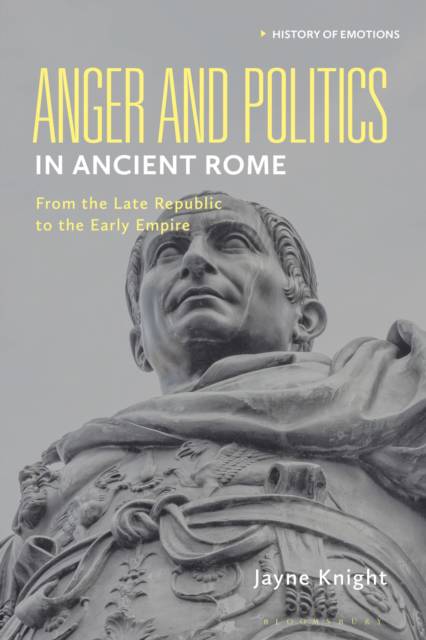
Anger and politics are clearly intertwined in modern Western societies, but when we look back at ancient Rome we see that anger may have permeated Roman politics to an even greater degree.
Through careful analysis of a rich body of surviving literary evidence, this book offers insights into ancient attitudes about political anger from diverse perspectives, and provides an assessment of anger's role in the performance and construction of elite Roman political identity during the transition from Republic to Principate. With a focus on the use of anger in public speaking and imperial leadership, Jayne Knight shows how this emotion was conceptualised as a pragmatic but inherently risky political tool. Highlighting the importance of emotional persuasion in ancient oratory, the centrality of rhetorical training in elite Roman education and the ways in which orators deployed anger in diverse political scenarios, this book reveals how the use of anger-based strategies was influenced by historical and socio-political contexts. Rome's transition to an increasingly autocratic form of government was marked by a heightened focus on the anger of individual political actors, a process which has striking parallels with modern events. With the establishment of the Principate, the agency politicians had to express and direct anger in public was limited, and discourse on political anger accordingly shifted its focus to the figure of the emperor and the power of his anger. Identifying the prominence of anger in late Republican and early imperial politics, and showing how anger could be used in both politically constructive and destructive ways by elite society, this book illuminates the emotional landscape of some of the most famous figures and episodes in Roman history.Specificaties
Betrokkenen
- Auteur(s):
- Uitgeverij:
Inhoud
- Aantal bladzijden:
- 264
- Taal:
- Engels
- Reeks:
Eigenschappen
- Productcode (EAN):
- 9781350561267
- Verschijningsdatum:
- 11/12/2025
- Uitvoering:
- Hardcover
- Formaat:
- Genaaid
- Afmetingen:
- 156 mm x 234 mm
- Gewicht:
- 544 g


Alleen bij Standaard Boekhandel
+ 390 punten op je klantenkaart van Standaard Boekhandel
Cadeau

AANGERADEN


Beoordelingen
We publiceren alleen reviews die voldoen aan de voorwaarden voor reviews. Bekijk onze voorwaarden voor reviews.