


- Afhalen na 1 uur in een winkel met voorraad
- Gratis thuislevering in België vanaf € 30
- Ruim aanbod met 7 miljoen producten
- Afhalen na 1 uur in een winkel met voorraad
- Gratis thuislevering in België vanaf € 30
- Ruim aanbod met 7 miljoen producten





€ 13,88
+ 13 punten
Omschrijving
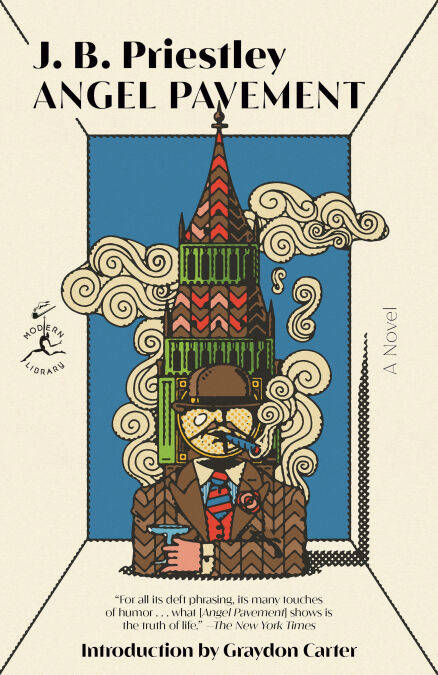
The struggling firm of Twigg & Dersingham is brought to riches—and ruin—in this kaleidoscopic portrait of late 1920s London from one of the twentieth century’s great, underappreciated masters.
On a grim sidestreet of the City of London called Angel Pavement, the office of Twigg & Dersingham carries out its day-to-day operations far from the decadence of the Roaring Twenties. The firm is now run, less than competently, by the nephew of the original Dersingham; to cut costs, he knows he must fire one of his few employees to have any hope of keeping the business afloat. Longtime head clerk Mr. Smeeth is desperate to not lose his job, but Mr. Dersingham really has his eye on junior clerk Mr. Turgis—awkward, unfashionable, and convinced that he’s about to stumble upon the love of his life—or typist Ms. Matfield, who left her home in the suburbs to live as a modern woman in the city, and who now wonders whether there’s more to modern life than this.
Enter the Golspies. When Mr. Golspie appears at the office on Angel Pavement from whereabouts unknown, his beautiful daughter Lena at his side, he presents a business proposition that Mr. Dersingham feels sure will save them. But of course, offers that seem too good to be true often are—and this one will set the firm and each of its employees on a course for disaster.
First published in 1930, Angel Pavement is a sweeping London novel in the vein of Dickens, Thackeray, Wolfe, and Amis, populated by a cast of richly developed characters and gilded by J. B. Priestley’s deft wit, which feels startlingly fresh in our own rapidly changing world.
On a grim sidestreet of the City of London called Angel Pavement, the office of Twigg & Dersingham carries out its day-to-day operations far from the decadence of the Roaring Twenties. The firm is now run, less than competently, by the nephew of the original Dersingham; to cut costs, he knows he must fire one of his few employees to have any hope of keeping the business afloat. Longtime head clerk Mr. Smeeth is desperate to not lose his job, but Mr. Dersingham really has his eye on junior clerk Mr. Turgis—awkward, unfashionable, and convinced that he’s about to stumble upon the love of his life—or typist Ms. Matfield, who left her home in the suburbs to live as a modern woman in the city, and who now wonders whether there’s more to modern life than this.
Enter the Golspies. When Mr. Golspie appears at the office on Angel Pavement from whereabouts unknown, his beautiful daughter Lena at his side, he presents a business proposition that Mr. Dersingham feels sure will save them. But of course, offers that seem too good to be true often are—and this one will set the firm and each of its employees on a course for disaster.
First published in 1930, Angel Pavement is a sweeping London novel in the vein of Dickens, Thackeray, Wolfe, and Amis, populated by a cast of richly developed characters and gilded by J. B. Priestley’s deft wit, which feels startlingly fresh in our own rapidly changing world.
Specificaties
Betrokkenen
- Auteur(s):
- Uitgeverij:
Inhoud
- Aantal bladzijden:
- 496
- Taal:
- Engels
Eigenschappen
- Productcode (EAN):
- 9798217154289
- Verschijningsdatum:
- 28/09/2026
- Uitvoering:
- E-book
- Beveiligd met:
- Adobe DRM
- Formaat:
- ePub


Alleen bij Standaard Boekhandel
+ 13 punten op je klantenkaart van Standaard Boekhandel
CADEAU

AANGERADEN


Beoordelingen
We publiceren alleen reviews die voldoen aan de voorwaarden voor reviews. Bekijk onze voorwaarden voor reviews.