



- Afhalen na 1 uur in een winkel met voorraad
- In januari gratis thuislevering in België
- Ruim aanbod met 7 miljoen producten
- Afhalen na 1 uur in een winkel met voorraad
- In januari gratis thuislevering in België
- Ruim aanbod met 7 miljoen producten





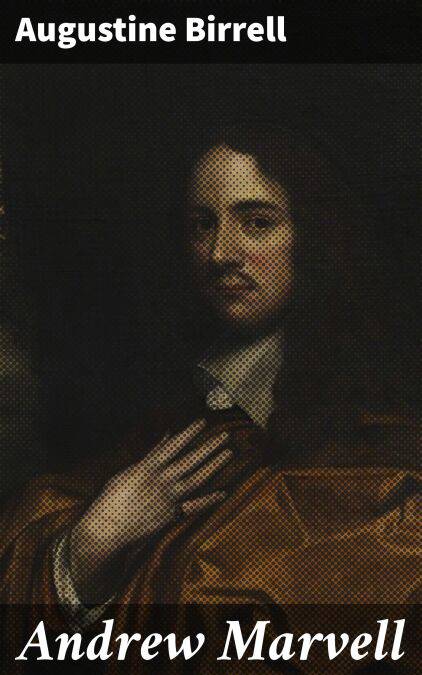
Andrew Marvell E-BOOK
Exploring the Enigmatic Poet of 17th Century England
Augustine Birrell
E-book | Engels
€ 0,49
Omschrijving
In "Andrew Marvell," Augustine Birrell offers a meticulous examination of one of the most intriguing figures in 17th-century English literature. Birrell's literary style is marked by a blend of biographical scrutiny and critical analysis, effectively situating Marvell within the tumultuous political and cultural landscape of his time. The book delves into Marvell's poetry and prose, highlighting his engagement with themes of politics, love, and the interplay of public and private life. Birrell's insightful observations not only elucidate Marvell's complex character but also illuminate the broader context of the English Civil War and the Restoration, revealing how these pivotal events shaped Marvell's oeuvre. Augustine Birrell, a prominent writer and politician, had a deep appreciation for literature and history, which greatly influenced his writings. His background in law and his tenure as a member of Parliament informed his understanding of the intricate connections between literature and politics, particularly in Marvell's work. Birrell'Äôs scholarly pursuits in the late 19th and early 20th centuries were characterized by a desire to revive interest in overlooked literary figures, making Marvell a fitting subject for his analytical prowess. Readers seeking a rich exploration of Andrew Marvell'Äôs life and works will find Birrell'Äôs book invaluable. It is not only an essential text for those interested in Marvell himself but also serves as a critical resource for understanding the broader literary currents of the period. This insightful biography invites readers to engage deeply with Marvell'Äôs complexities, enriching their appreciation of his contributions to English literature.
Specificaties
Betrokkenen
- Auteur(s):
- Uitgeverij:
Inhoud
- Aantal bladzijden:
- 285
- Taal:
- Engels
Eigenschappen
- Productcode (EAN):
- 4057664614292
- Verschijningsdatum:
- 26/11/2019
- Uitvoering:
- E-book
- Beveiligd met:
- Digital watermarking
- Formaat:
- ePub


Alleen bij Standaard Boekhandel
Cadeau

AANGERADEN


Beoordelingen
We publiceren alleen reviews die voldoen aan de voorwaarden voor reviews. Bekijk onze voorwaarden voor reviews.