


- Afhalen na 1 uur in een winkel met voorraad
- Gratis thuislevering in België vanaf € 30
- Ruim aanbod met 7 miljoen producten
- Afhalen na 1 uur in een winkel met voorraad
- Gratis thuislevering in België vanaf € 30
- Ruim aanbod met 7 miljoen producten





€ 57,95
+ 115 punten
Uitvoering
Eenvoudig bestellen
Veilig betalen


Gratis thuislevering vanaf € 30 (via bpost)
Gratis levering in je Standaard Boekhandel
Omschrijving
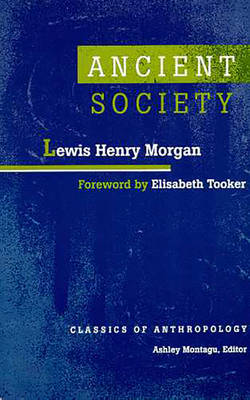
Lewis Henry Morgan studied the American Indian way of life and collected an enormous amount of factual material on the history of primitive-communal society. All the conclusions he draws are based on these facts; where he lacks them, he reasons back on the basis of the data available to him. He determined the periodization of primitive society by linking each of the periods with the development of production techniques. The "great sequence of inventions and discoveries;" and the history of institutions, with each of its three branches -- family, property and government -- constitute the progress made by human society from its earliest stages to the beginning of civilization. Mankind gained this progress through 'the gradual evolution of their mental and moral powers through experience, and of their protracted struggle with opposing obstacles while winning their way to civilization.'
Specificaties
Betrokkenen
- Auteur(s):
- Uitgeverij:
Inhoud
- Aantal bladzijden:
- 560
- Taal:
- Engels
Eigenschappen
- Productcode (EAN):
- 9780816509249
- Verschijningsdatum:
- 1/05/1985
- Uitvoering:
- Paperback
- Formaat:
- Trade paperback (VS)
- Afmetingen:
- 141 mm x 216 mm
- Gewicht:
- 689 g


Alleen bij Standaard Boekhandel
+ 115 punten op je klantenkaart van Standaard Boekhandel
CADEAU

AANGERADEN


Beoordelingen
We publiceren alleen reviews die voldoen aan de voorwaarden voor reviews. Bekijk onze voorwaarden voor reviews.