


- Afhalen na 1 uur in een winkel met voorraad
- Gratis thuislevering in België vanaf € 30
- Ruim aanbod met 7 miljoen producten
- Afhalen na 1 uur in een winkel met voorraad
- Gratis thuislevering in België vanaf € 30
- Ruim aanbod met 7 miljoen producten





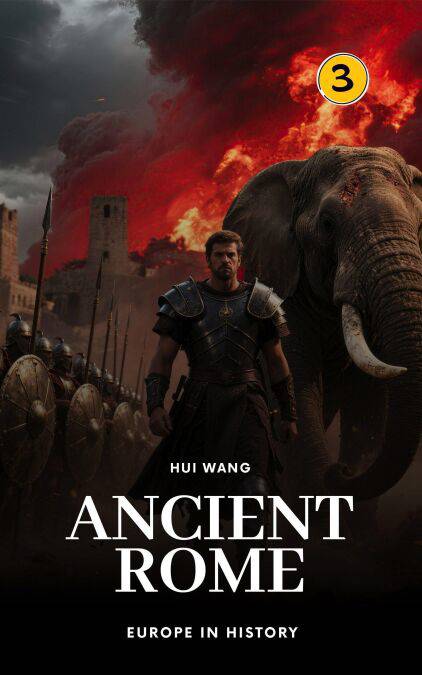
Omschrijving
Ancient Rome: Europe in History, PART ONE, is the book I wrote to tell Rome's story from the ground up, starting with Romulus and Numa and the fragile order they tried to build. These early figures were not just legends; they shaped how Romans thought about law, religion, violence, and authority. From sacred rituals to kingship, from fear to discipline, this opening part shows how Rome learned to hold itself together before it ever dreamed of ruling others.
As the narrative moves on, the focus shifts to power inside the city. Figures like Servius Tullius come into view, along with the curial system, the Comitia, and the slow rise of the Senate. The fall of the kings and the birth of the Republic did not bring calm or equality. Consuls, senators, patrons, and ordinary citizens pushed and pulled against each other, arguing over law, land, and voice. Reforms such as the Licinian–Sextian laws reveal a society constantly renegotiating who counted and who decided.
Rome's wars then take center stage, and the story widens beyond Italy. The First Punic War introduces Rome as a naval power, while the Second and Third Punic Wars bring unforgettable figures like Hannibal and Cato onto the stage. The destruction of Carthage was not just a military triumph; it changed Rome's economy, its politics, and its sense of destiny. Victory made Rome rich, restless, and increasingly dangerous to itself.
From there, Rome steps into the Greek world. The Macedonian Wars, the clash with Antiochus III, and campaigns stretching from Macedon to North Africa show a republic learning how to dominate ancient kingdoms with very different traditions. Battles, diplomacy, and intimidation all play their part. Rome now commands immense power, yet it still relies on old institutions that strain under the weight of empire.
The final chapters turn inward, to the crisis of the Republic itself. Tiberius Gracchus and Gaius Gracchus stand at the heart of this struggle, as land reform, grain laws, popular power, and elite resistance collide. Their rise and fall expose deep cracks in Rome's political system, ending in bloodshed and fear. By the time of Gaius Gracchus's last stand, the Republic is no longer stable, and its future feels uncertain.
Specificaties
Betrokkenen
- Auteur(s):
- Uitgeverij:
Inhoud
- Taal:
- Engels
- Reeks:
Eigenschappen
- Productcode (EAN):
- 9789190150160
- Verschijningsdatum:
- 31/01/2026
- Uitvoering:
- E-book
- Formaat:
- ePub


Alleen bij Standaard Boekhandel
+ 6 punten op je klantenkaart van Standaard Boekhandel
Cadeau

AANGERADEN


Beoordelingen
We publiceren alleen reviews die voldoen aan de voorwaarden voor reviews. Bekijk onze voorwaarden voor reviews.