


- Afhalen na 1 uur in een winkel met voorraad
- Gratis thuislevering in België vanaf € 30
- Ruim aanbod met 7 miljoen producten
- Afhalen na 1 uur in een winkel met voorraad
- Gratis thuislevering in België vanaf € 30
- Ruim aanbod met 7 miljoen producten





€ 322,45
+ 644 punten
Uitvoering
Omschrijving
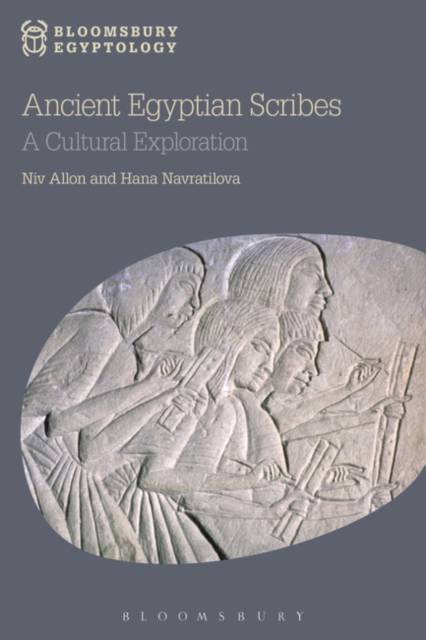
The modern view of the ancient Egyptian world is often through the lens of a scribe: the trained, schooled, literate individual who was present at many levels of Egyptian society, from a local accountant to the highest echelons of society. And yet, despite the wealth of information the scribes left us, we know relatively little about what underpinned their world, about their mentality and about their everyday life.
Tracing ten key biographies, Ancient Egyptian Scribes examines how these figures kept both the administrative life and cultural memory of Egypt running. These are the Egyptians who ran the state and formed the supposedly meritocratic system of local administration and government. Case studies look at accountants, draughtsmen, scribes with military and dynastic roles, the authors of graffiti and literati who interacted in different ways with Pharaohs and other leaders. Assuming no previous knowledge of ancient Egypt, the various roles and identities of the scribes are presented in a concise and accessible way, offering structured information on their cultural identity and self-presentation, and providing readers with an insight into the making of Egyptian written culture.Specificaties
Betrokkenen
- Auteur(s):
- Uitgeverij:
Inhoud
- Aantal bladzijden:
- 216
- Taal:
- Engels
- Reeks:
Eigenschappen
- Productcode (EAN):
- 9781472583956
- Verschijningsdatum:
- 18/05/2017
- Uitvoering:
- Hardcover
- Formaat:
- Genaaid
- Afmetingen:
- 155 mm x 236 mm
- Gewicht:
- 476 g


Alleen bij Standaard Boekhandel
+ 644 punten op je klantenkaart van Standaard Boekhandel
Cadeau

AANGERADEN


Beoordelingen
We publiceren alleen reviews die voldoen aan de voorwaarden voor reviews. Bekijk onze voorwaarden voor reviews.