


- Afhalen na 1 uur in een winkel met voorraad
- Gratis thuislevering in België vanaf € 30
- Ruim aanbod met 7 miljoen producten
- Afhalen na 1 uur in een winkel met voorraad
- Gratis thuislevering in België vanaf € 30
- Ruim aanbod met 7 miljoen producten





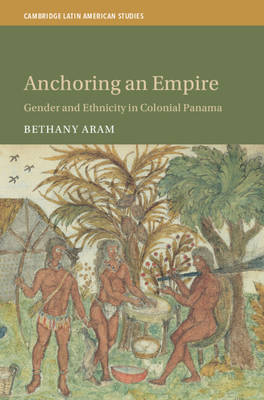
Omschrijving
Anchoring an Empire is a bottom-up exploration of how gender and ethnicity shaped the lived experience of Spanish subjects across the sixteenth- and seventeenth-century isthmus of Panama. Focusing on understudied historical actors, Bethany Aram sheds light on how indigenous Americans, Afro-descendants, and Europeans contributed to critical debates on race and gender. From the Caribbean port cities of Nombre de Díos and Portobello, to Panama Viejo on the Pacific coast, free, enslaved, and in-between women and men managed to become arbiters of Spanish and competing interests. Those who lived and died in these cities sustained them as hubs of interaction, communication, and commerce. Whether victims, beneficiaries - or both - of the slave trade, these individuals found ways to meet and to exploit the region's episodic demand for housing, provisions, and other services. Their expertise grounded global transport and trade, with a lasting impact on processes of mobility and globalization.
Specificaties
Betrokkenen
- Auteur(s):
- Uitgeverij:
Inhoud
- Aantal bladzijden:
- 244
- Taal:
- Engels
- Reeks:
Eigenschappen
- Productcode (EAN):
- 9781009595353
- Verschijningsdatum:
- 27/11/2025
- Uitvoering:
- Hardcover
- Formaat:
- Genaaid
- Afmetingen:
- 152 mm x 229 mm
- Gewicht:
- 494 g


Alleen bij Standaard Boekhandel
+ 345 punten op je klantenkaart van Standaard Boekhandel
AANGERADEN


Beoordelingen
We publiceren alleen reviews die voldoen aan de voorwaarden voor reviews. Bekijk onze voorwaarden voor reviews.