


- Afhalen na 1 uur in een winkel met voorraad
- Gratis thuislevering in België vanaf € 30
- Ruim aanbod met 7 miljoen producten
- Afhalen na 1 uur in een winkel met voorraad
- Gratis thuislevering in België vanaf € 30
- Ruim aanbod met 7 miljoen producten





€ 146,45
+ 292 punten
Eenvoudig bestellen
Veilig betalen


Gratis thuislevering vanaf € 30 (via bpost)
Gratis levering in je Standaard Boekhandel
Omschrijving
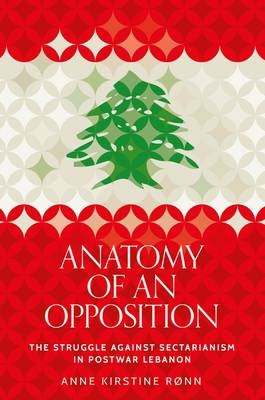
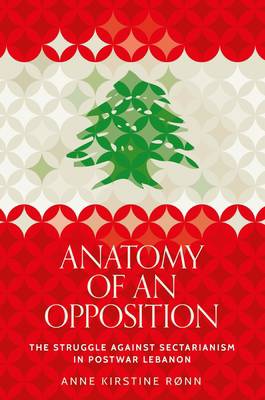
Lebanon is known as a deeply divided society. The country's political system divides power between Muslims and Christians, and sect-based identities shape social and political life. Yet, throughout its postwar period, Lebanon has also seen an increase in movements that oppose sectarian divisions. The book traces the anatomy of these diverse movements, examining their key characteristics, strategies, and internal tensions. Drawing on Pierre Bourdieu's concepts, it analyses how resistance against sectarianism unfolds across five key fields: electoral politics, labour and class, urban space, gender and sexuality, and migration and refugee rights. Adopting an intersectional approach, it explores a broad range of cases, from mass protests to localized struggles for public space, showing how sectarianism intersects with other identities and hierarchies. While grounded in Lebanon, the book offers a broader framework for understanding identity politics in the Middle East and beyond.
Specificaties
Betrokkenen
- Auteur(s):
- Uitgeverij:
Inhoud
- Aantal bladzijden:
- 232
- Taal:
- Engels
- Reeks:
Eigenschappen
- Productcode (EAN):
- 9781526189707
- Verschijningsdatum:
- 1/09/2026
- Uitvoering:
- Hardcover
- Formaat:
- Genaaid
- Afmetingen:
- 156 mm x 234 mm


Alleen bij Standaard Boekhandel
+ 292 punten op je klantenkaart van Standaard Boekhandel
CADEAU

AANGERADEN


Beoordelingen
We publiceren alleen reviews die voldoen aan de voorwaarden voor reviews. Bekijk onze voorwaarden voor reviews.