


- Afhalen na 1 uur in een winkel met voorraad
- Gratis thuislevering in België vanaf € 30
- Ruim aanbod met 7 miljoen producten
- Afhalen na 1 uur in een winkel met voorraad
- Gratis thuislevering in België vanaf € 30
- Ruim aanbod met 7 miljoen producten




Omschrijving
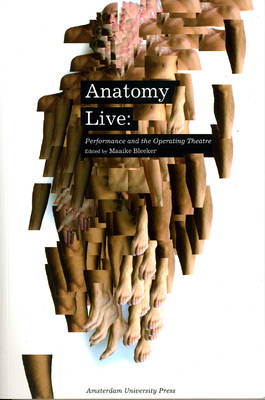
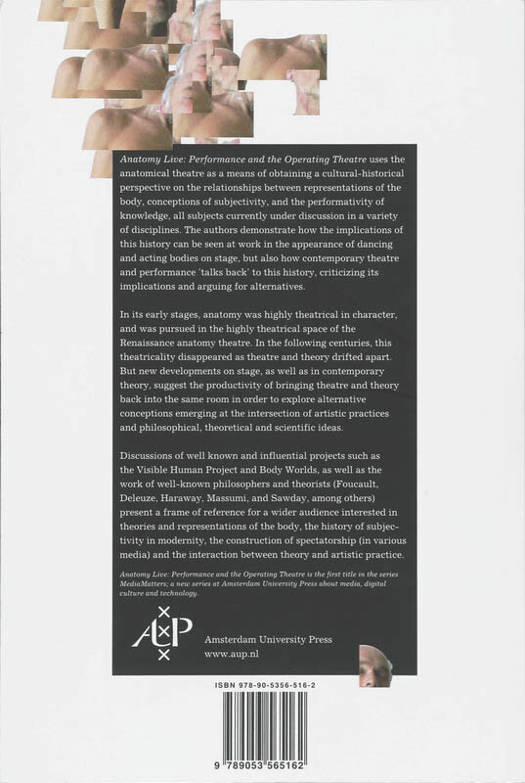
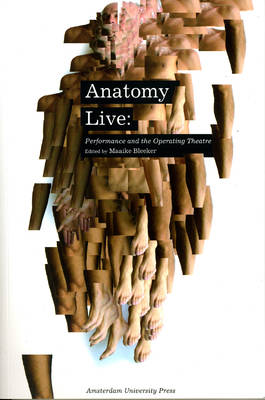
Gross anatomy, the study of anatomical structures that can be seen by unassisted vision, has long been a subject of fascination for artists. For most modern viewers, however, the anatomy lesson--the technically precise province of clinical surgeons and medical faculties--hardly seems the proper breeding ground for the hybrid workings of art and theory. We forget that, in its early stages, anatomy pursued the highly theatrical spirit of Renaissance science, as painters such as Rembrandt and Da Vinci and medical instructors like Fabricius of Aquapendente shared audiences devoted to the workings of the human body. Anatomy Live: Performance and the Operating Theatre, a remarkable consideration of new developments on the stage, as well as in contemporary writings of theorists such as Donna Haraway and Brian Massumi, turns our modern notions of the dissecting table on its head--using anatomical theatre as a means of obtaining a fresh perspective on representations of the body, conceptions of subjectivity, and own knowledge about science and the stage. Critically dissecting well-known exhibitions like Body Worlds and The Visible Human Project and featuring contributions from a number of diverse scholars on such subjects as the construction of spectatorship and the implications of anatomical history, Anatomy Live is not to be missed by anyone with an interest in this engaging intersection of science and artistic practice.
Specificaties
Betrokkenen
- Auteur(s):
- Uitgeverij:
Inhoud
- Aantal bladzijden:
- 272
- Taal:
- Engels
- Reeks:
Eigenschappen
- Productcode (EAN):
- 9789053565162
- Verschijningsdatum:
- 1/08/2008
- Uitvoering:
- Paperback
- Formaat:
- Trade paperback (VS)
- Afmetingen:
- 155 mm x 231 mm
- Gewicht:
- 453 g


Alleen bij Standaard Boekhandel
+ 95 punten op je klantenkaart van Standaard Boekhandel
Wedstrijd


Beoordelingen
We publiceren alleen reviews die voldoen aan de voorwaarden voor reviews. Bekijk onze voorwaarden voor reviews.