


- Afhalen na 1 uur in een winkel met voorraad
- Gratis thuislevering in België vanaf € 30
- Ruim aanbod met 7 miljoen producten
- Afhalen na 1 uur in een winkel met voorraad
- Gratis thuislevering in België vanaf € 30
- Ruim aanbod met 7 miljoen producten





€ 22,45
+ 44 punten
Omschrijving
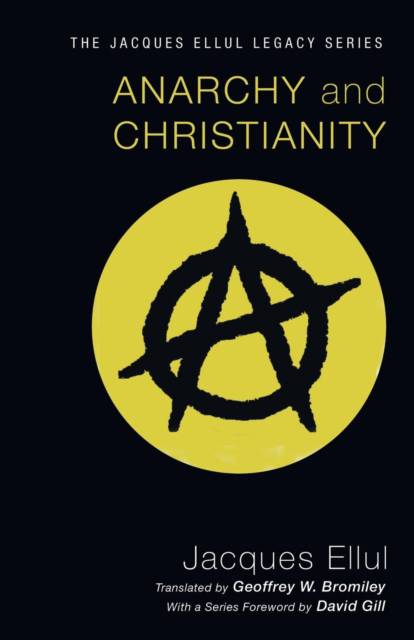
Jacque Ellul blends politics, theology, history, and exposition in this analysis of the relationship between political anarchy and biblical faith. While he clarifies the views of each and how they can be related, his aim is not to proselytize either anarchists into Christianity or Christians into anarchy. On the one hand, suggests Ellul, anarchists need to understand that much of their criticism of Christianity applies only to the form of religion that developed, not to biblical faith. Christians, on the other hand, need to look at the biblical texts and not reject anarchy as a political option, for it seems closest to biblical thinking. After charting the background of his own interest in the subject, Ellul defines what he means by anarchy: the nonviolent repudiation of authority. He goes on to look at the Bible as the source of anarchy (in the sense of nondomination, not disorder), working through Old Testament history, Jesus' ministry, and finally the early church's view of power as reflected in the New Testament writings.
Specificaties
Betrokkenen
- Auteur(s):
- Vertaler(s):
- Uitgeverij:
Inhoud
- Aantal bladzijden:
- 126
- Taal:
- Engels
- Reeks:
Eigenschappen
- Productcode (EAN):
- 9781606089712
- Verschijningsdatum:
- 18/05/2011
- Uitvoering:
- Paperback
- Formaat:
- Trade paperback (VS)
- Afmetingen:
- 140 mm x 213 mm
- Gewicht:
- 158 g



Alleen bij Standaard Boekhandel
+ 44 punten op je klantenkaart van Standaard Boekhandel
Cadeau

AANGERADEN


Beoordelingen
We publiceren alleen reviews die voldoen aan de voorwaarden voor reviews. Bekijk onze voorwaarden voor reviews.