


- Afhalen na 1 uur in een winkel met voorraad
- Gratis thuislevering in België vanaf € 30
- Ruim aanbod met 7 miljoen producten
- Afhalen na 1 uur in een winkel met voorraad
- Gratis thuislevering in België vanaf € 30
- Ruim aanbod met 7 miljoen producten





Omschrijving
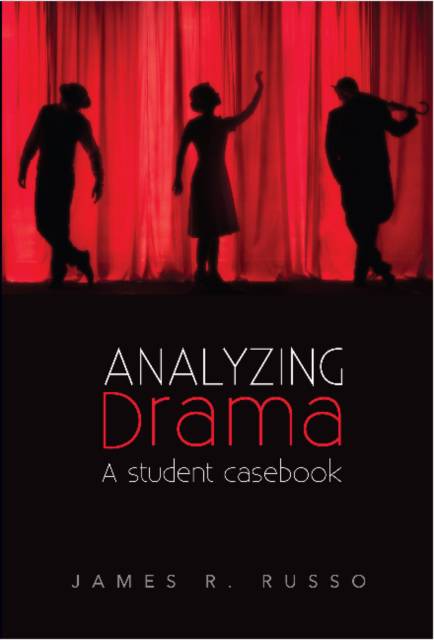
This play-analysis textbook contains 50 short essays on geographically diverse, historically significant dramas -- among them Major Barbara, Our Town, Hamlet, A Streetcar Named Desire, Romeo and Juliet, Miss Julie, Electra, Death of a Salesman, The Balcony, The Cherry Orchard, Mother Courage, The Merry Wives of Windsor, and Old Times. The essays are supported by a Step-by-Step Approach to Play Analysis, a Glossary of Dramatic Terms, Study Guides, Topics for Writing and Discussion, Bibliographical Resources, and a comprehensive Index. Written for university and advanced high school students, these critical essays provide practical models to aid and promote writing and analytical skills. The author is a close reader committed to a detailed yet objective examination of the structure, style, imagery, and language of a play. He is concerned with dramatic analysis that can be of benefit to directors, designers, and even actors. Analysis of character, action, dialogue, and setting can thus be translated into concepts for theatrical production. The three key benefits of ANALYZING DRAMA are: 1. Most so-called play analysis texts are books about the methods and techniques of play analysis but contain few (if any) actual play analyses. The book describes the methods and techniques of play analysis while at the same time providing numerous examples of such analysis. 2. The Topics for Writing and Discussion and Study Guides provide a wide range of set tasks for students. 3. Readings are not biased by any particular social or political doctrine. Aimed at students, teachers, educated readers, and drama aficionados with an interest in world drama in particular and drama studies in general, as well as at theatregoers with an interest in the practice of play analysis and criticism.
Specificaties
Betrokkenen
- Auteur(s):
- Uitgeverij:
Inhoud
- Aantal bladzijden:
- 256
- Taal:
- Engels
Eigenschappen
- Productcode (EAN):
- 9781789761115
- Verschijningsdatum:
- 3/11/2021
- Uitvoering:
- Hardcover
- Formaat:
- Genaaid
- Afmetingen:
- 158 mm x 231 mm
- Gewicht:
- 517 g


Alleen bij Standaard Boekhandel
+ 265 punten op je klantenkaart van Standaard Boekhandel
Cadeau

AANGERADEN


Beoordelingen
We publiceren alleen reviews die voldoen aan de voorwaarden voor reviews. Bekijk onze voorwaarden voor reviews.