


- Afhalen na 1 uur in een winkel met voorraad
- Gratis thuislevering in België vanaf € 30
- Ruim aanbod met 7 miljoen producten
- Afhalen na 1 uur in een winkel met voorraad
- Gratis thuislevering in België vanaf € 30
- Ruim aanbod met 7 miljoen producten





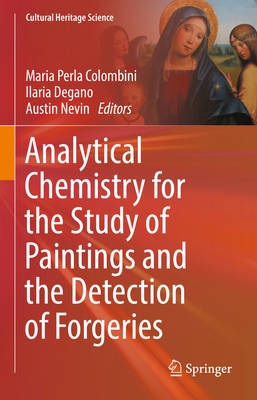
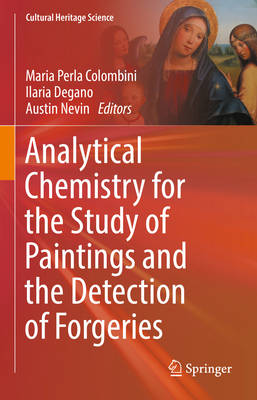
Analytical Chemistry for the Study of Paintings and the Detection of Forgeries
€ 117,95
+ 235 punten
Omschrijving
Forgeries present a daunting problem to art historians, museums, galleries and curators who face challenges in determining the authenticity of paintings. Recent progress in science has led to the development of new methods for investigating works of art, and can provide new insights into the materials found in paintings. The rise in the value of paintings together with the knowledge and skills of forgers highlights the need to develop reliable scientific procedures to identify fakes. Given the complexity of materials in paintings and the convergence of various disciplines, a methodological approach for nvestigations of paintings is based on art historical, curatorial, aesthetic, technical and scientific evaluation.
In this book sophisticated digital and analytical techniques are reviewed for the identification of materials (pigments, binders, varnishes, adhesives) and the physical characteristics of paintings such as brushstrokes, craquelure and canvas weaves.
This book presents an updated overview of both non-invasive and micro-invasive techniques that enable the material characterization of paintings. The materials constituting a painting are reviewed, as are ways that changes in materials over time can provide insights into chronology and physical history. State-of the art digital metods including multi and hyper-spectral imaging and computational approaches to data treatment will be presented. Analytical techniques developed and optimized to characterize binders, varnishes, and pigments are reviewed, focusing on materials which can provide information on ageing or provenance. Case studies of applications of synchrotron-based methods and the analysis of paintings are given, as are chapters devoted to legal aspects related to authenticity.
Chapter 1 is available open access under a Creative Commons Attribution 4.0 International License via link.springer.com.
In this book sophisticated digital and analytical techniques are reviewed for the identification of materials (pigments, binders, varnishes, adhesives) and the physical characteristics of paintings such as brushstrokes, craquelure and canvas weaves.
This book presents an updated overview of both non-invasive and micro-invasive techniques that enable the material characterization of paintings. The materials constituting a painting are reviewed, as are ways that changes in materials over time can provide insights into chronology and physical history. State-of the art digital metods including multi and hyper-spectral imaging and computational approaches to data treatment will be presented. Analytical techniques developed and optimized to characterize binders, varnishes, and pigments are reviewed, focusing on materials which can provide information on ageing or provenance. Case studies of applications of synchrotron-based methods and the analysis of paintings are given, as are chapters devoted to legal aspects related to authenticity.
Chapter 1 is available open access under a Creative Commons Attribution 4.0 International License via link.springer.com.
Specificaties
Betrokkenen
- Uitgeverij:
Inhoud
- Aantal bladzijden:
- 525
- Taal:
- Engels
- Reeks:
Eigenschappen
- Productcode (EAN):
- 9783030868642
- Verschijningsdatum:
- 9/09/2022
- Uitvoering:
- Hardcover
- Afmetingen:
- 161 mm x 25 mm

Alleen bij Standaard Boekhandel
+ 235 punten op je klantenkaart van Standaard Boekhandel
Cadeau

AANGERADEN


Beoordelingen
We publiceren alleen reviews die voldoen aan de voorwaarden voor reviews. Bekijk onze voorwaarden voor reviews.