


- Afhalen na 1 uur in een winkel met voorraad
- Gratis thuislevering in België vanaf € 30
- Ruim aanbod met 7 miljoen producten
- Afhalen na 1 uur in een winkel met voorraad
- Gratis thuislevering in België vanaf € 30
- Ruim aanbod met 7 miljoen producten





€ 121,90
+ 243 punten
Omschrijving
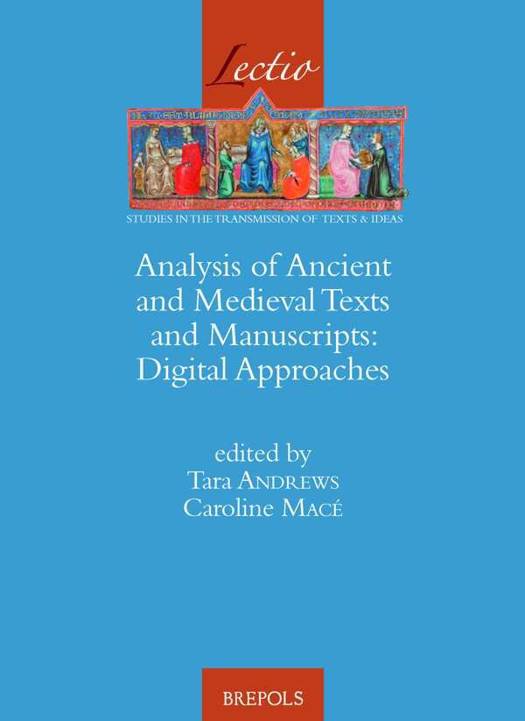
How has the digital turn truly changed the nature of our research, particularly in the field of medieval scholarship where our collections are almost never large enough to justify the term 'big data'? All kind of new avenues of research are emerging, thanks to the creativity of scholars and to their interest in what digital means can offer. This collection of articles aims to give an up-to-date overview of the use of computer-assisted methods in several fields of scholarship dealing with ancient and medieval texts and manuscripts (from codicology and palaeography to textual criticism and literary or historical studies), across the boundaries of language and period. In moving away from theoretical debates about what the field of digital humanities is or should be, we present here a clearer picture of what textual scholars can achieve when they use computers for their research needs and purposes, and what their expectations may be in terms of the technology and developments in computational methodology.
Specificaties
Betrokkenen
- Auteur(s):
- Uitgeverij:
Inhoud
- Aantal bladzijden:
- 338
- Taal:
- Engels
- Reeks:
- Reeksnummer:
- nr. 1
Eigenschappen
- Productcode (EAN):
- 9782503552682
- Verschijningsdatum:
- 19/05/2015
- Uitvoering:
- Hardcover
- Formaat:
- Genaaid
- Afmetingen:
- 163 mm x 239 mm
- Gewicht:
- 725 g


Alleen bij Standaard Boekhandel
+ 243 punten op je klantenkaart van Standaard Boekhandel
Cadeau

AANGERADEN


Beoordelingen
We publiceren alleen reviews die voldoen aan de voorwaarden voor reviews. Bekijk onze voorwaarden voor reviews.