


- Afhalen na 1 uur in een winkel met voorraad
- Gratis thuislevering in België vanaf € 30
- Ruim aanbod met 7 miljoen producten
- Afhalen na 1 uur in een winkel met voorraad
- Gratis thuislevering in België vanaf € 30
- Ruim aanbod met 7 miljoen producten





€ 46,45
+ 92 punten
Omschrijving
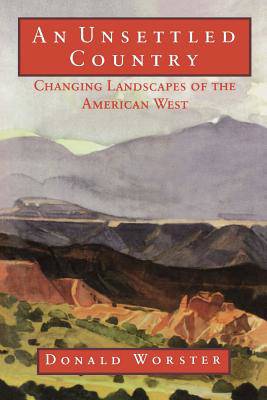
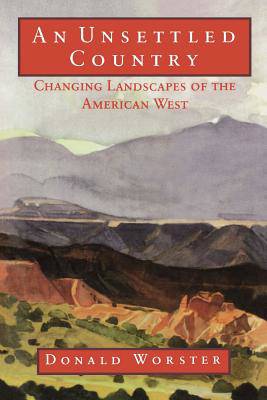
The West remains unsettled--by cultural habits, intellectual debate, and ecological conditions. In these four essays, which were presented as the 1992 Calvin P. Horn Lectures in Western History and Culture, Donald Worster incisively discusses the role of the natural environment in the making of the West--and often in its unmaking and remaking. His subjects are four linked topics: the legacy of John Wesley Powell to western resource management; the domination of water policy by state, science, and capital since the mid-nineteenth century; the fate of wildlife in the push to settle the West; and the threat of global warming to the Great Plains. The landscape of the West has for too long been an obstacle to be overcome. But in Worster's view it is in seeing how people have dealt with and, all too often, mishandled nature that gives urgency to better understanding the region's ecological history. Worster argues for a new relationship of western people to their surroundings based on benefits to a community rather than on gains to individuals.
Specificaties
Betrokkenen
- Auteur(s):
- Uitgeverij:
Inhoud
- Aantal bladzijden:
- 163
- Taal:
- Engels
- Reeks:
Eigenschappen
- Productcode (EAN):
- 9780826314826
- Verschijningsdatum:
- 1/03/1994
- Uitvoering:
- Paperback
- Formaat:
- Trade paperback (VS)
- Afmetingen:
- 154 mm x 230 mm
- Gewicht:
- 285 g


Alleen bij Standaard Boekhandel
+ 92 punten op je klantenkaart van Standaard Boekhandel
Cadeau

AANGERADEN


Beoordelingen
We publiceren alleen reviews die voldoen aan de voorwaarden voor reviews. Bekijk onze voorwaarden voor reviews.