


- Afhalen na 1 uur in een winkel met voorraad
- Gratis thuislevering in België vanaf € 30
- Ruim aanbod met 7 miljoen producten
- Afhalen na 1 uur in een winkel met voorraad
- Gratis thuislevering in België vanaf € 30
- Ruim aanbod met 7 miljoen producten





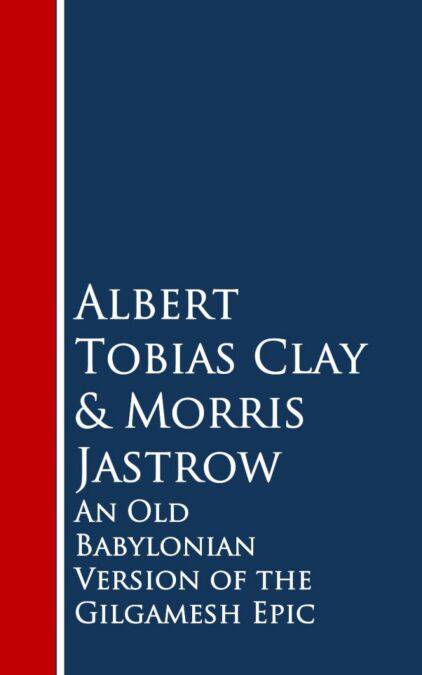
An Old Babylonian Version of the Gilgamesh Epic E-BOOK
Albert Tobias Clay, Morris Jastrow
E-book | Engels
€ 0,49
Omschrijving
The Epic of Gilgamesh is an epic poem from ancient Mesopotamia. Dating from the Third Dynasty of Ur (circa 2100 BC), it is often regarded as the earliest surviving great work of literature. The literary history of Gilgamesh begins with five Sumerian poems about 'Bilgamesh' - Sumerian for 'Gilgamesh', king of Uruk. These independent stories were later used as source material for a combined epic. The first surviving version of this combined epic, known as the "Old Babylonian" version, dates to the 18th century BC and is titled after its incipit, Shūtur eli sharrī ("Surpassing All Other Kings"). Only a few tablets of it have survived. The later "Standard" version dates from the 13th to the 10th centuries BC and bears the incipit Sha naqba īmuru ("He who Saw the Deep", in modern terms: "He who Sees the Unknown"). Approximately two thirds of this longer, twelve-tablet version have been recovered. Some of the best copies were discovered in the library ruins of the 7th-century BC Assyrian king Ashurbanipal.
Specificaties
Betrokkenen
- Auteur(s):
- Uitgeverij:
Inhoud
- Aantal bladzijden:
- 500
- Taal:
- Engels
Eigenschappen
- Productcode (EAN):
- 9783736411319
- Verschijningsdatum:
- 24/08/2016
- Uitvoering:
- E-book
- Beveiligd met:
- Digital watermarking
- Formaat:
- ePub


Alleen bij Standaard Boekhandel
Cadeau

AANGERADEN


Beoordelingen
We publiceren alleen reviews die voldoen aan de voorwaarden voor reviews. Bekijk onze voorwaarden voor reviews.