


- Afhalen na 1 uur in een winkel met voorraad
- Gratis thuislevering in België vanaf € 30
- Ruim aanbod met 7 miljoen producten
- Afhalen na 1 uur in een winkel met voorraad
- Gratis thuislevering in België vanaf € 30
- Ruim aanbod met 7 miljoen producten





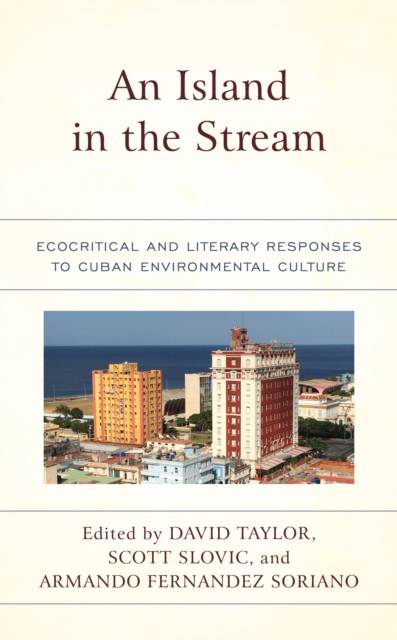
An Island in the Stream
Ecocritical and Literary Responses to Cuban Environmental Culture
€ 79,95
+ 159 punten
Omschrijving
An Island in the Stream, a collaboration between Cuban and American writers and scholars, is a diverse collection of ecocritical and literary responses to the natural environment in Cuba and to Cuban environmental culture. The chapters explore Cuba's vibrant cultural history with particular attention to literature and the visual and performing arts, which are viewed through such lenses as ecofeminism, postcolonial ecocriticism, multiculturalism, and the nuclear imaginary, among others. American environmentalists have long viewed modern Cuba as a model of progressive environmental thinking. In the 1990s, the Cuban government made sustainability a centerpiece of national policy initiatives. This book explores some of the historical foundations of contemporary sustainability efforts in Cuba, while also describing the current environmental situation in that part of the world. From José Martí to Excilia Saldaña, from Antonio Nuñez Jiménez to Lydia Cabrera, the chapters here aim to provide a starting point for others who wish to learn about Cuban environmental thought. The conjunction of scholarly and creative work is a gesture toward the interdependence of humanities research and artistic expression, both of which seek to encourage environmental and cultural mindfulness and sensitivity.
Specificaties
Betrokkenen
- Uitgeverij:
Inhoud
- Aantal bladzijden:
- 168
- Taal:
- Engels
- Reeks:
Eigenschappen
- Productcode (EAN):
- 9781498599184
- Verschijningsdatum:
- 2/07/2021
- Uitvoering:
- Paperback
- Formaat:
- Trade paperback (VS)
- Afmetingen:
- 152 mm x 229 mm
- Gewicht:
- 231 g


Alleen bij Standaard Boekhandel
+ 159 punten op je klantenkaart van Standaard Boekhandel
AANGERADEN


Beoordelingen
We publiceren alleen reviews die voldoen aan de voorwaarden voor reviews. Bekijk onze voorwaarden voor reviews.