


- Afhalen na 1 uur in een winkel met voorraad
- Gratis thuislevering in België vanaf € 30
- Ruim aanbod met 7 miljoen producten
- Afhalen na 1 uur in een winkel met voorraad
- Gratis thuislevering in België vanaf € 30
- Ruim aanbod met 7 miljoen producten





€ 40,45
+ 80 punten
Uitvoering
Omschrijving
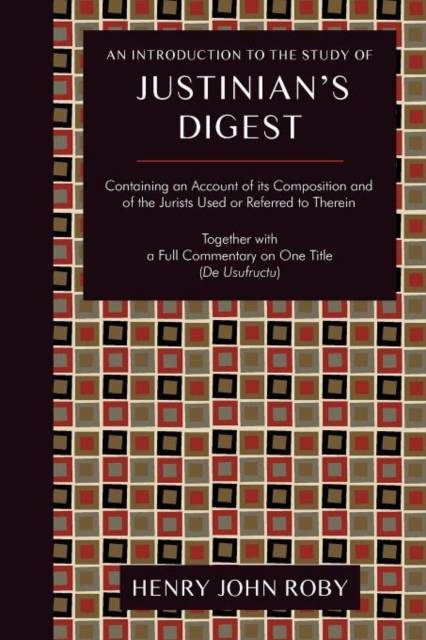
Roby's fine introduction provides more than an explanation and analysis of the components of the Digest, although those are key features of the work. It also discusses points, sources, technical phrases and the jurists cited in the Digest. The Appendix lays out its organizational structure and adds a chronological table of Emperors and major historical events. In all, Roby provides a highly useful guide for anyone who wishes to cite or study this cornerstone of Western jurisprudence. HENRY JOHN ROBY [1830-1915] was a classical lecturer at Cambridge University and professor of jurisprudence at University College, London. He was the author of the important Grammar of the Latin Language, from Plautus to Suetonius (1862) and Roman Private Law in the Time of Cicero and the Antonines (1902).
Specificaties
Betrokkenen
- Auteur(s):
- Uitgeverij:
Inhoud
- Aantal bladzijden:
- 284
- Taal:
- Engels
Eigenschappen
- Productcode (EAN):
- 9781616192631
- Verschijningsdatum:
- 24/04/2012
- Uitvoering:
- Paperback
- Formaat:
- Trade paperback (VS)
- Afmetingen:
- 152 mm x 229 mm
- Gewicht:
- 417 g


Alleen bij Standaard Boekhandel
+ 80 punten op je klantenkaart van Standaard Boekhandel
AANGERADEN


Beoordelingen
We publiceren alleen reviews die voldoen aan de voorwaarden voor reviews. Bekijk onze voorwaarden voor reviews.