


- Afhalen na 1 uur in een winkel met voorraad
- Gratis thuislevering in België vanaf € 30
- Ruim aanbod met 7 miljoen producten
- Afhalen na 1 uur in een winkel met voorraad
- Gratis thuislevering in België vanaf € 30
- Ruim aanbod met 7 miljoen producten





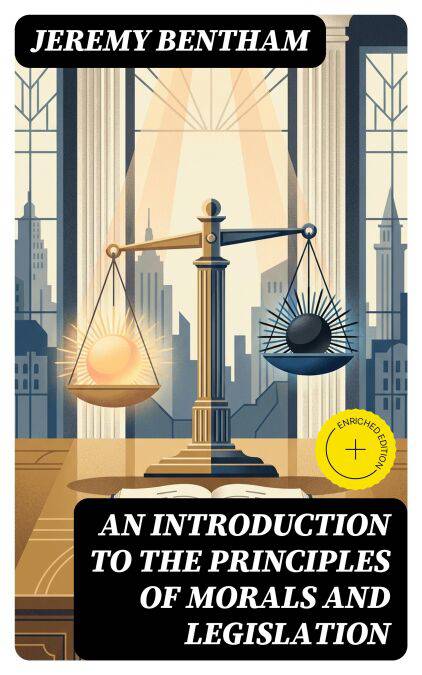
An Introduction to the Principles of Morals and Legislation E-BOOK
Enriched edition.
Jeremy Bentham
E-book | Engels
€ 1,99
+ 1 punten
Uitvoering
Omschrijving
In "An Introduction to the Principles of Morals and Legislation," Jeremy Bentham presents a foundational text in utilitarian ethics, dissecting the principles of justice and moral reasoning through a lens of rationality and empiricism. Bentham's literary style is characterized by clarity and precision, as he systematically examines the consequences of human actions, arguing that morality should center on utility, defined as the maximization of pleasure and minimization of pain. This work serves not only as an ethical treatise but also as a pioneering exploration of legal philosophy, situating Bentham within the Enlightenment context of reason and human rights. Jeremy Bentham (1748-1832) was a philosopher and social reformer whose intellectual pursuits were deeply influenced by the Enlightenment ideals of rational thought and empirical observation. His advocacy for social reforms, including the decriminalization of homosexuality and the development of welfare frameworks, shaped his ethical outlook. Bentham's utilitarian approach arose from a desire to create a more equitable society, where legislation serves the greatest happiness of the greatest number. This book is indispensable for readers seeking an insightful and transformative exploration of moral philosophy. Bentham's coherent arguments and practical applications remain relevant, challenging the reader to consider the ethical dimensions of legislation and personal choice. It stands as a compelling invitation to engage with the complexities of moral computation and societal benefit.
In this enriched edition, we have carefully created added value for your reading experience:
- A succinct Introduction situates the work's timeless appeal and themes.
- The Synopsis outlines the central plot, highlighting key developments without spoiling critical twists.
- A detailed Historical Context immerses you in the era's events and influences that shaped the writing.
- An Author Biography reveals milestones in the author's life, illuminating the personal insights behind the text.
- A thorough Analysis dissects symbols, motifs, and character arcs to unearth underlying meanings.
- Reflection questions prompt you to engage personally with the work's messages, connecting them to modern life.
- Hand‐picked Memorable Quotes shine a spotlight on moments of literary brilliance.
- Interactive footnotes clarify unusual references, historical allusions, and archaic phrases for an effortless, more informed read.
In this enriched edition, we have carefully created added value for your reading experience:
- A succinct Introduction situates the work's timeless appeal and themes.
- The Synopsis outlines the central plot, highlighting key developments without spoiling critical twists.
- A detailed Historical Context immerses you in the era's events and influences that shaped the writing.
- An Author Biography reveals milestones in the author's life, illuminating the personal insights behind the text.
- A thorough Analysis dissects symbols, motifs, and character arcs to unearth underlying meanings.
- Reflection questions prompt you to engage personally with the work's messages, connecting them to modern life.
- Hand‐picked Memorable Quotes shine a spotlight on moments of literary brilliance.
- Interactive footnotes clarify unusual references, historical allusions, and archaic phrases for an effortless, more informed read.
Specificaties
Betrokkenen
- Auteur(s):
- Uitgeverij:
Inhoud
- Aantal bladzijden:
- 256
- Taal:
- Engels
Eigenschappen
- Productcode (EAN):
- 8596547316824
- Verschijningsdatum:
- 14/09/2022
- Uitvoering:
- E-book
- Beveiligd met:
- Digital watermarking
- Formaat:
- ePub



Alleen bij Standaard Boekhandel
+ 1 punten op je klantenkaart van Standaard Boekhandel
Cadeau

AANGERADEN


Beoordelingen
We publiceren alleen reviews die voldoen aan de voorwaarden voor reviews. Bekijk onze voorwaarden voor reviews.