


- Afhalen na 1 uur in een winkel met voorraad
- Gratis thuislevering in België vanaf € 30
- Ruim aanbod met 7 miljoen producten
- Afhalen na 1 uur in een winkel met voorraad
- Gratis thuislevering in België vanaf € 30
- Ruim aanbod met 7 miljoen producten





€ 203,95
+ 407 punten
Omschrijving
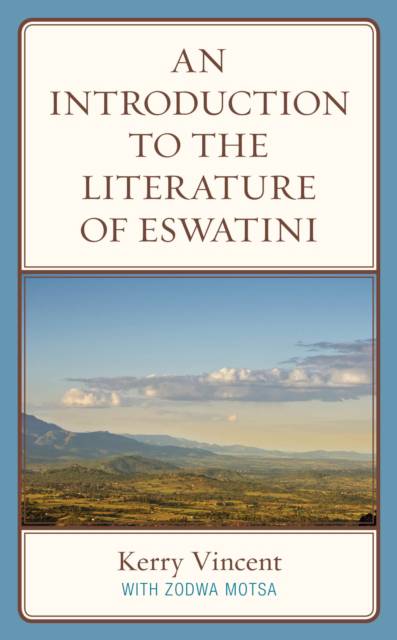
This book is the first comprehensive introduction to the literature of eSwatini. It details a literary trajectory that begins with renditions of the country by early travelers and settlers and follows with the emergence of a national literature that is marked by early oral influences and molded by unique sociopolitical interests. Along the way, the author considers how contemporary writing by visitors, expatriates, and journalists have salvaged and recycled earlier images and attitudes through a series of representational and rhetorical practices. In particular, the lingering influence of colonial discourse is explored in the context of the nation's pivotal incwala ritual. A chapter on Hilda Kuper that situates her fiction and drama between outsider and insider accounts is followed by the final two chapters that trace the development of anglophone and siSwati writing and identify themes arising from the major literary genres produced by local authors. The concluding section features a comprehensive registry of writers, with brief summaries of their works.
Specificaties
Betrokkenen
- Auteur(s):
- Uitgeverij:
Inhoud
- Aantal bladzijden:
- 248
- Taal:
- Engels
Eigenschappen
- Productcode (EAN):
- 9781498577953
- Verschijningsdatum:
- 21/10/2020
- Uitvoering:
- Hardcover
- Formaat:
- Genaaid
- Afmetingen:
- 152 mm x 229 mm
- Gewicht:
- 535 g


Alleen bij Standaard Boekhandel
+ 407 punten op je klantenkaart van Standaard Boekhandel
Cadeau

AANGERADEN


Beoordelingen
We publiceren alleen reviews die voldoen aan de voorwaarden voor reviews. Bekijk onze voorwaarden voor reviews.