


- Afhalen na 1 uur in een winkel met voorraad
- Gratis thuislevering in België vanaf € 30
- Ruim aanbod met 7 miljoen producten
- Afhalen na 1 uur in een winkel met voorraad
- Gratis thuislevering in België vanaf € 30
- Ruim aanbod met 7 miljoen producten





€ 373,45
+ 746 punten
Omschrijving
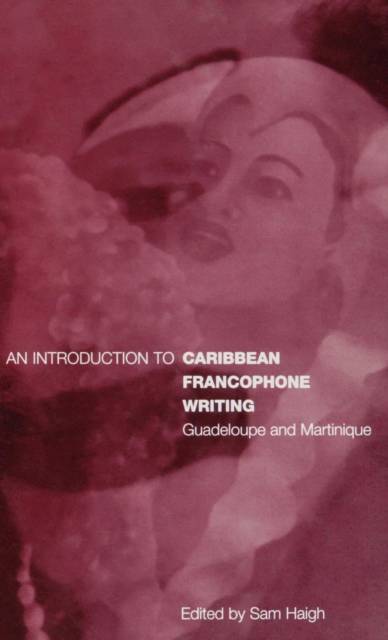
There has been an explosion of interest in Francophone studies, as postcolonial and diaspora literatures more generally have gained recognition both within and outside the academy. Identity, culture and history as well as issues relating to class, race, and colonialism, and the literary production itself have always been central to Caribbean Francophone culture and are matters currently of hot debate. From the growth of the negritude movement, principally associated with poetry, through to the rise of the novel, contributors to this book explore the theoretical, political and philosophical debates that have informed, and continue to inform, the rich and varied tradition of Caribbean Francophone literature.In recent years, the number of Francophone Caribbean women writers has increased significantly and experimental writing has featured more prominently. Contributors explore these and other trends, mainly in the literatures of Guadeloupe and Martinique. In providing the only available overview of this important literature and in positioning it critically, this book makes an invaluable contribution to students and scholars alike.
Specificaties
Betrokkenen
- Auteur(s):
- Uitgeverij:
Inhoud
- Aantal bladzijden:
- 224
- Taal:
- Engels
- Reeks:
Eigenschappen
- Productcode (EAN):
- 9781859732939
- Verschijningsdatum:
- 1/06/1999
- Uitvoering:
- Hardcover
- Formaat:
- Genaaid
- Afmetingen:
- 140 mm x 216 mm
- Gewicht:
- 453 g


Alleen bij Standaard Boekhandel
+ 746 punten op je klantenkaart van Standaard Boekhandel
Cadeau

AANGERADEN


Beoordelingen
We publiceren alleen reviews die voldoen aan de voorwaarden voor reviews. Bekijk onze voorwaarden voor reviews.