


- Afhalen na 1 uur in een winkel met voorraad
- Gratis thuislevering in België vanaf € 30
- Ruim aanbod met 7 miljoen producten
- Afhalen na 1 uur in een winkel met voorraad
- Gratis thuislevering in België vanaf € 30
- Ruim aanbod met 7 miljoen producten





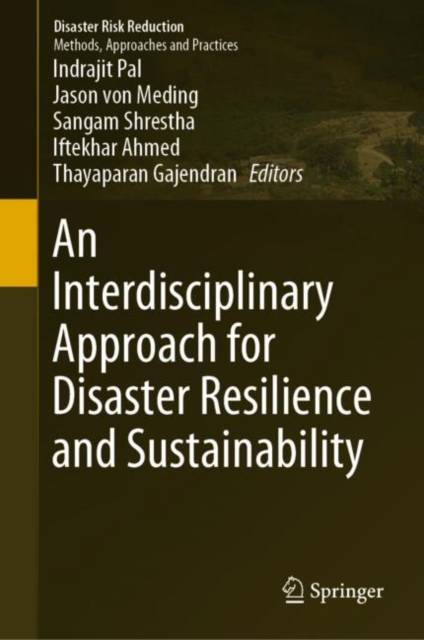
An Interdisciplinary Approach for Disaster Resilience and Sustainability
€ 259,45
+ 518 punten
Omschrijving
This book includes selected papers presented at the international expert forum on "Mainstreaming Resilience and Disaster Risk Reduction in Education," held at the Asian Institute of Technology, Thailand on 1-2 December 2017. The journey towards disaster risk reduction and resilience requires the participation of a wide array of stakeholders ranging from academics to policymakers, to disaster managers. Given the multifaceted and interdependent nature of disasters, disaster risk reduction and resilience require a multidisciplinary problem-solving approach and evidence-based techniques from the natural, social, engineering, and other relevant sciences.
Traditionally, hazard and disaster-related studies have been dominated by the engineering and social science fields. In this regard, the main purpose of this book is to capture the multidisciplinary and multisectoral nature of disaster risk reduction, and to gather existing data, research, conceptual work, andpractical cases regarding risk reduction and its ties to sustainable development under a single "umbrella." Along with the sustainability aspect, the book also links disaster risk reduction with development, technology, governance, education, and climate change, and includes discussions on challenges, solutions, and best practices in the mainstreaming of disaster risk reduction.
Traditionally, hazard and disaster-related studies have been dominated by the engineering and social science fields. In this regard, the main purpose of this book is to capture the multidisciplinary and multisectoral nature of disaster risk reduction, and to gather existing data, research, conceptual work, andpractical cases regarding risk reduction and its ties to sustainable development under a single "umbrella." Along with the sustainability aspect, the book also links disaster risk reduction with development, technology, governance, education, and climate change, and includes discussions on challenges, solutions, and best practices in the mainstreaming of disaster risk reduction.
Specificaties
Betrokkenen
- Uitgeverij:
Inhoud
- Aantal bladzijden:
- 535
- Taal:
- Engels
- Reeks:
Eigenschappen
- Productcode (EAN):
- 9789813295261
- Verschijningsdatum:
- 18/10/2019
- Uitvoering:
- Hardcover
- Formaat:
- Genaaid
- Afmetingen:
- 156 mm x 234 mm
- Gewicht:
- 938 g

Alleen bij Standaard Boekhandel
+ 518 punten op je klantenkaart van Standaard Boekhandel
Cadeau

AANGERADEN


Beoordelingen
We publiceren alleen reviews die voldoen aan de voorwaarden voor reviews. Bekijk onze voorwaarden voor reviews.